
 Available in US
Content

The top batsman market is where the casual bettor and the thoughtful one part ways. Backing a team to win asks who’s better. Backing a player to top-score asks something far more specific and far more answerable: who will get the most opportunity to make runs, on this surface, in this position, in this format. That shift, from predicting a team to predicting a role, is what makes top batsman one of the most rewarding markets in cricket once you understand what actually drives it.
Top batsman, sometimes listed as top run scorer, is exactly what it sounds like: you back a named player to make more runs than anyone else in their team’s innings. It’s a player-performance market rather than a result market, which means team strength matters far less than individual opportunity, and opportunity in cricket is shaped by some surprisingly mechanical factors that the price doesn’t always fully reflect.
How the Top Batsman Bet Is Settled
I learned the settlement rules the hard way, by backing a player who scored a magnificent 80, watched a team-mate make 81, and discovered there was no consolation for second place. Top batsman is winner-take-all within the team: most runs wins, everyone else loses, and the margin of one run is as good as a hundred. That brutal finality is the first thing to absorb, because it changes how you should think about the bet entirely.
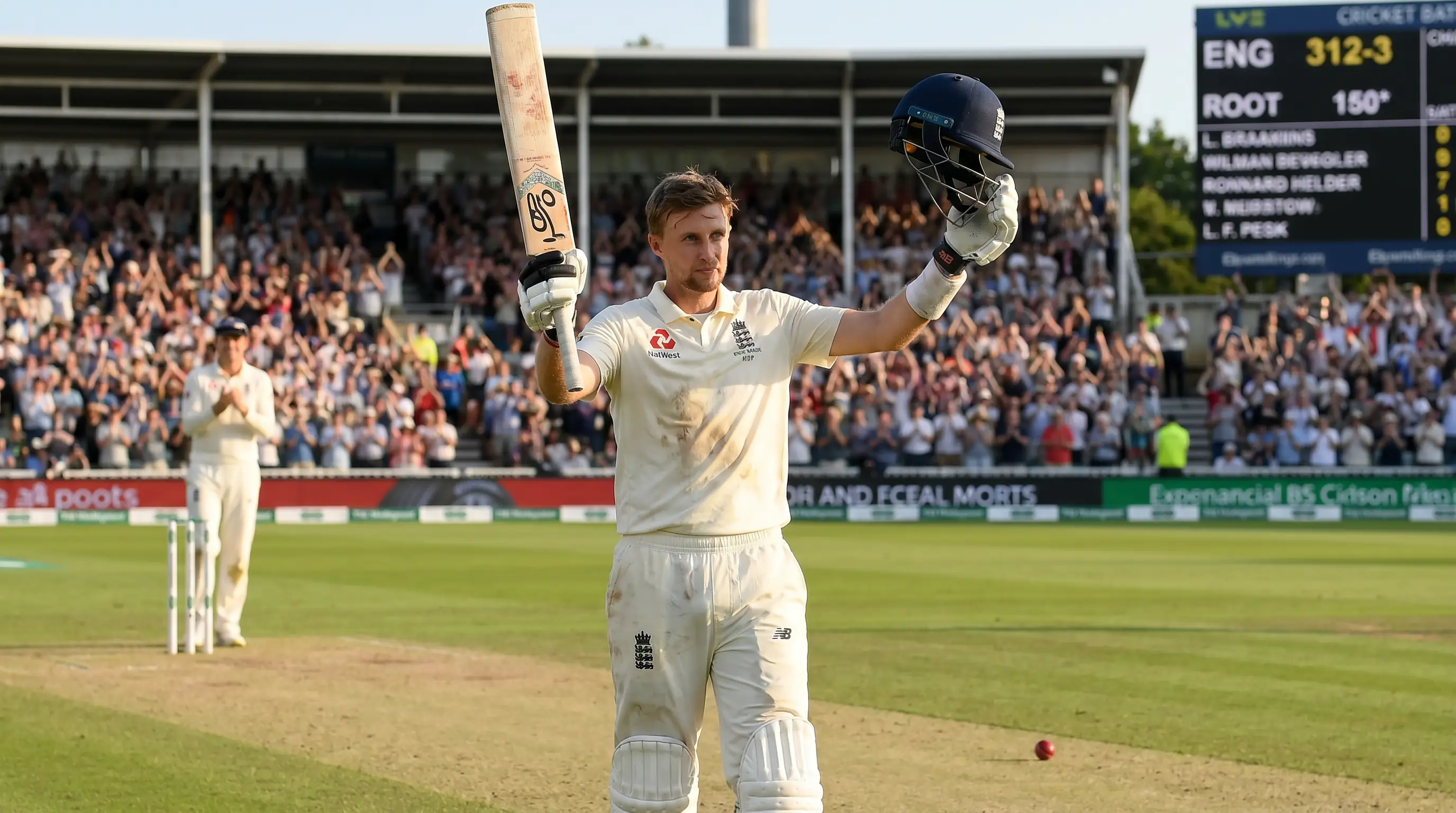
The standard market covers a single team’s innings, so you’re picking the top scorer from one side, not from the whole match. Most operators apply dead-heat rules when two players finish level on the same score, which means your stake is divided proportionally rather than paid in full, an important detail that quietly reduces the value of backing players likely to make identical low scores. Some books also have specific rules for players who don’t bat, typically voiding the bet, so a tail-ender you backed who never gets to the crease usually has the stake returned rather than lost.

The crucial structural point is that this market rewards balls faced more than pure quality. A brilliant number six who comes in with twenty overs left has far less time to accumulate than a steady opener who faces the new ball and bats through. That’s why openers dominate top batsman prices, and rightly so. The global cricket betting market, valued at around 76.5 billion US dollars in 2023 and forecast past 151 billion by 2032, has grown enormously on the back of these granular player markets, and the operators pricing them know perfectly well that batting position is the single biggest driver. The edge, when it exists, comes from spotting where the price has misjudged opportunity rather than ability.
Why Batting Order Quietly Decides Value
Here’s a question I put to people who tell me they fancy a particular batter to top-score: where are they batting? Nine times out of ten they don’t know, and that’s the entire game. You cannot price this market sensibly without knowing the batting order, because the order, not the talent, sets the ceiling on how many runs each player can realistically make.

Openers face the most deliveries by a wide margin. They’re in from the first ball and, if they survive the new ball, can bat for hours and pile up a score nobody coming later can catch. That’s why they’re consistently the shortest prices in the market, and that short price is usually deserved rather than soft. The genuine value tends to sit one or two positions down: a number three or four who’s in excellent form, batting on a surface that rewards patience, in a side whose openers have been fragile lately. They get plenty of time without carrying the opener’s full price, and if the openers fail, they inherit the new ball situation anyway.

Format scrambles all of this, and that’s where careful readers find their angles. The fact that cricket spans everything from a five-day Test to a 100-ball sprint, with The Hundred only launched by the ECB in 2021 as a deliberately shorter format than even T20, means “top batsman” describes a completely different challenge depending on the game. In a Test, the opener’s time advantage is overwhelming because there are so many overs to fill. In a frantic short-format innings, a destructive middle-order hitter can top-score off a handful of overs through sheer boundary-hitting, which compresses the field and makes lower-order players far more live than they’d ever be over five days. I price the same player completely differently across formats, and so should you.
Backing the Team Top Batsman Against the Match Top Batsman
Most punters never notice there are two versions of this bet, and the difference between them is worth real money. The standard team top batsman, top scorer within one side, is the common one. The match top batsman, top scorer across both teams combined, is the trickier, longer-priced cousin, and the two demand entirely different thinking.

The team version is the one I lean on, because it’s a cleaner read. You’re assessing one batting line-up, one set of conditions, one likely batting order, and weighing opportunity against form within that single closed group. The variables are contained and knowable. The match version throws both line-ups into the same pot, which sounds like more value because the prices are bigger, but in practice you’re now also having to predict which team bats longer, who wins the toss, and how the conditions shift between innings, all of which multiplies the uncertainty far faster than the bigger price compensates for.
The market’s growth has been turbocharged by exactly this kind of granular betting, with at least 165 sponsorship deals struck between betting firms and leading cricket teams, tournaments or players between 2020 and the end of August 2025, and 31 of those signed in the first eight months of 2025 alone. That commercial intensity tells you how much money flows through player markets, which in turn means the headline team top batsman prices are sharply set and hard to beat blind. My honest approach is to treat the match top batsman as occasional entertainment at long odds and to do my serious work in the team market, where the smaller, more knowable group gives a diligent reader a genuine chance to spot a mispriced opportunity.
One last connection worth making, because it confuses people endlessly. Top batsman and man of the match are not the same bet, and backing one expecting the logic of the other is a quick way to lose. Top scoring is about runs and runs alone, whereas the player-of-the-match award folds in bowling, fielding and the judges’ verdict, which is a different beast with different value entirely, and I’ve untangled it fully in my guide to man of the match betting. Keep the two clearly separate in your head, respect the dominance of batting position, and adjust ruthlessly for format, and top batsman becomes one of the few markets where careful homework still beats the algorithm often enough to matter.
Are dead-heat rules applied to top batsman bets?
Yes, in almost all cases. If two or more players finish level on the highest score, the winnings are divided proportionally under dead-heat rules rather than paid in full. It’s worth factoring in when backing players likely to make similar modest scores, as it quietly reduces the real value of the bet.
Does an opener have an automatic edge here?
A structural one, yes. Openers face the most deliveries and have the most time to accumulate, which is why they’re consistently the shortest-priced players in the market. That edge is usually already in the price, so the value more often sits one or two positions down the order in good form.
