
 Available in US
Content
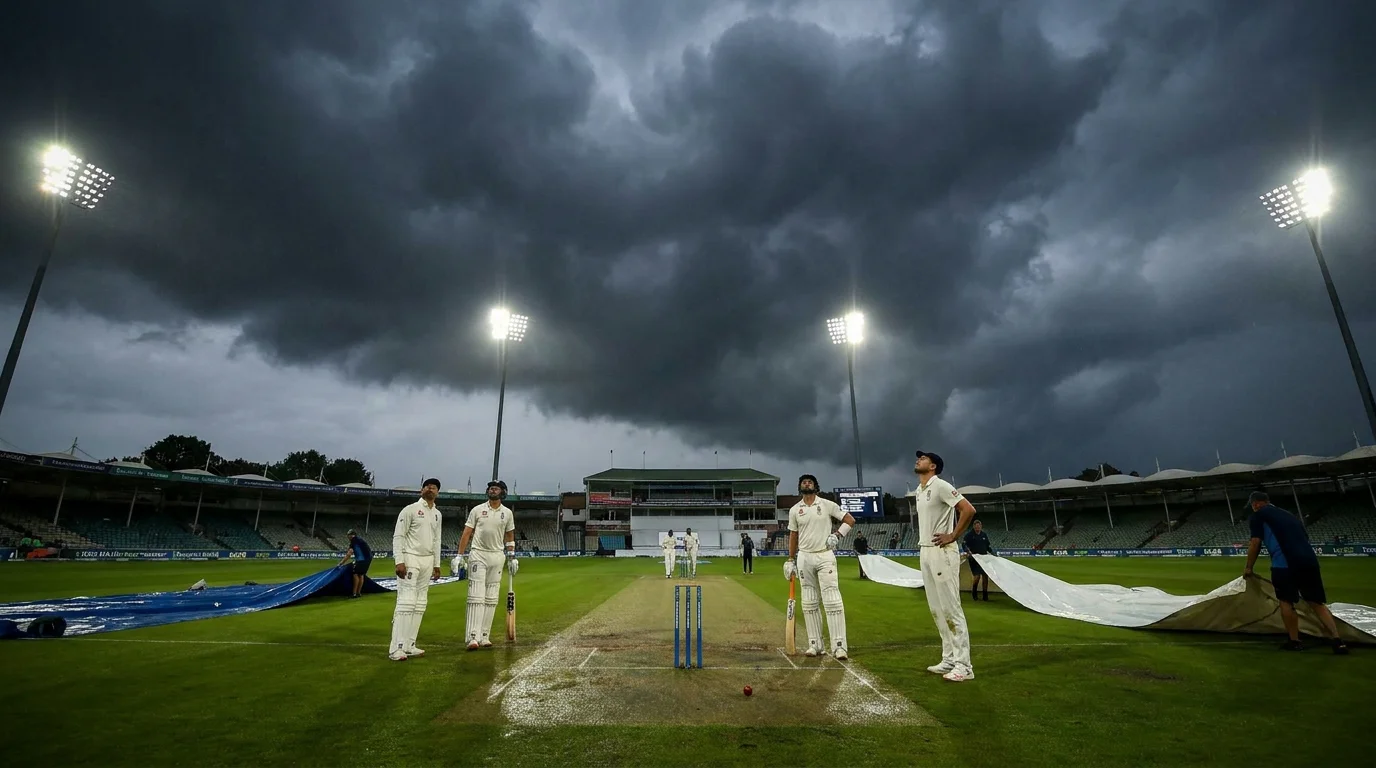
Cricket is the only major sport that can be decided by a weather forecast, and that gives the bettor who reads the skies properly an edge available in no other game. Rain doesn’t just delay cricket; it reshapes it, voiding sessions, rewriting targets through a mathematical formula, and turning near-certain results into draws. Most punters treat the forecast as background noise. The sharp ones treat it as a primary input, because in cricket it genuinely is.
Weather betting in cricket means pricing the effect of rain and atmospheric conditions on a match’s outcome and markets: the draws that rain manufactures in Test cricket, the recalculated targets that the Duckworth-Lewis-Stern method imposes in limited-overs games, and the swing that heavy, humid air lends the bowlers. It’s a layer that sits on top of the pitch read, and it can override even the best surface analysis when the heavens open.
The breadth of modern cricket betting, the sheer range of what people now wager on, is part of why weather has become so bettable. As the head of the Gambling Commission has observed, “discussions with operators are showing a widening out of the sports offering in particular, with sports beyond the traditional horseracing and football growing in use, such as cricket, basketball, NFL and a host of other US-based sports.” That widening has brought a proliferation of cricket markets, accelerated by the short formats that make cricket forecast to be among the fastest-growing segments of the entire betting market, and the weather-sensitive ones, draws, totals, recalculated chases, are exactly where a forecast-literate bettor finds value the crowd ignores.
Rain, Lost Overs and the Manufactured Draw
The first time the weather won me a bet, I hadn’t backed a team at all; I’d backed the draw in a Test with rain forecast for two of the five days, and the rain duly arrived to wash out any chance of a result. It felt almost like cheating, profiting from a forecast rather than a cricketing judgement, but that’s precisely the point: in cricket the weather is a legitimate and readable betting input.
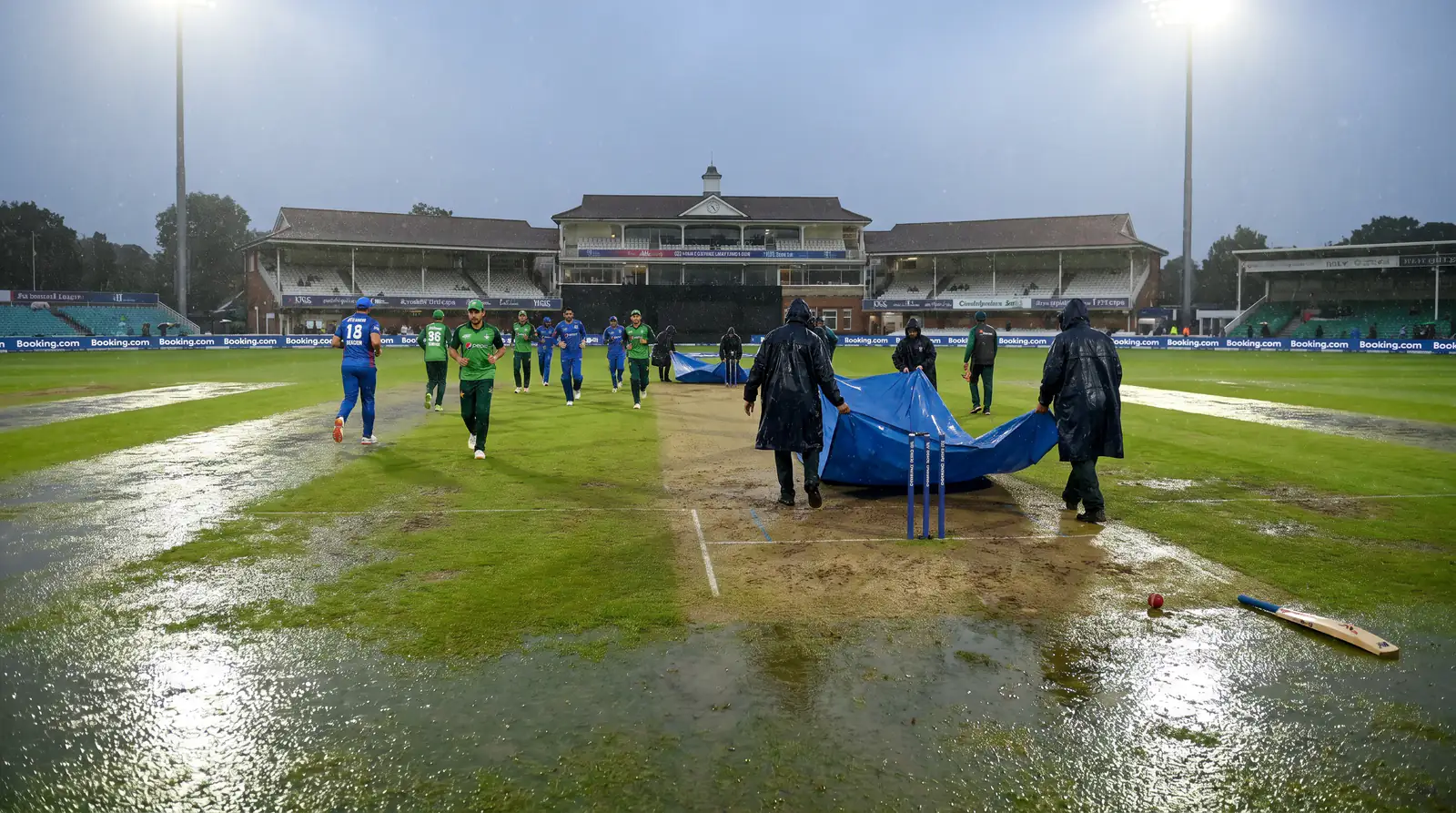
In Test and first-class cricket, lost overs are lost time, and lost time means the draw grows more likely with every shower. A match that would comfortably produce a result across five clear days can be strangled into a draw by a couple of washed-out sessions, because there’s simply no longer enough time to take twenty wickets. This makes the forecast a direct input into the result market: a serious chance of significant rain inflates the draw’s true probability, and when the market hasn’t fully priced that, backing the draw becomes a value bet grounded in meteorology rather than cricket. I watch the forecast for the back end of a Test especially, because rain on days four and five is where draws are manufactured.
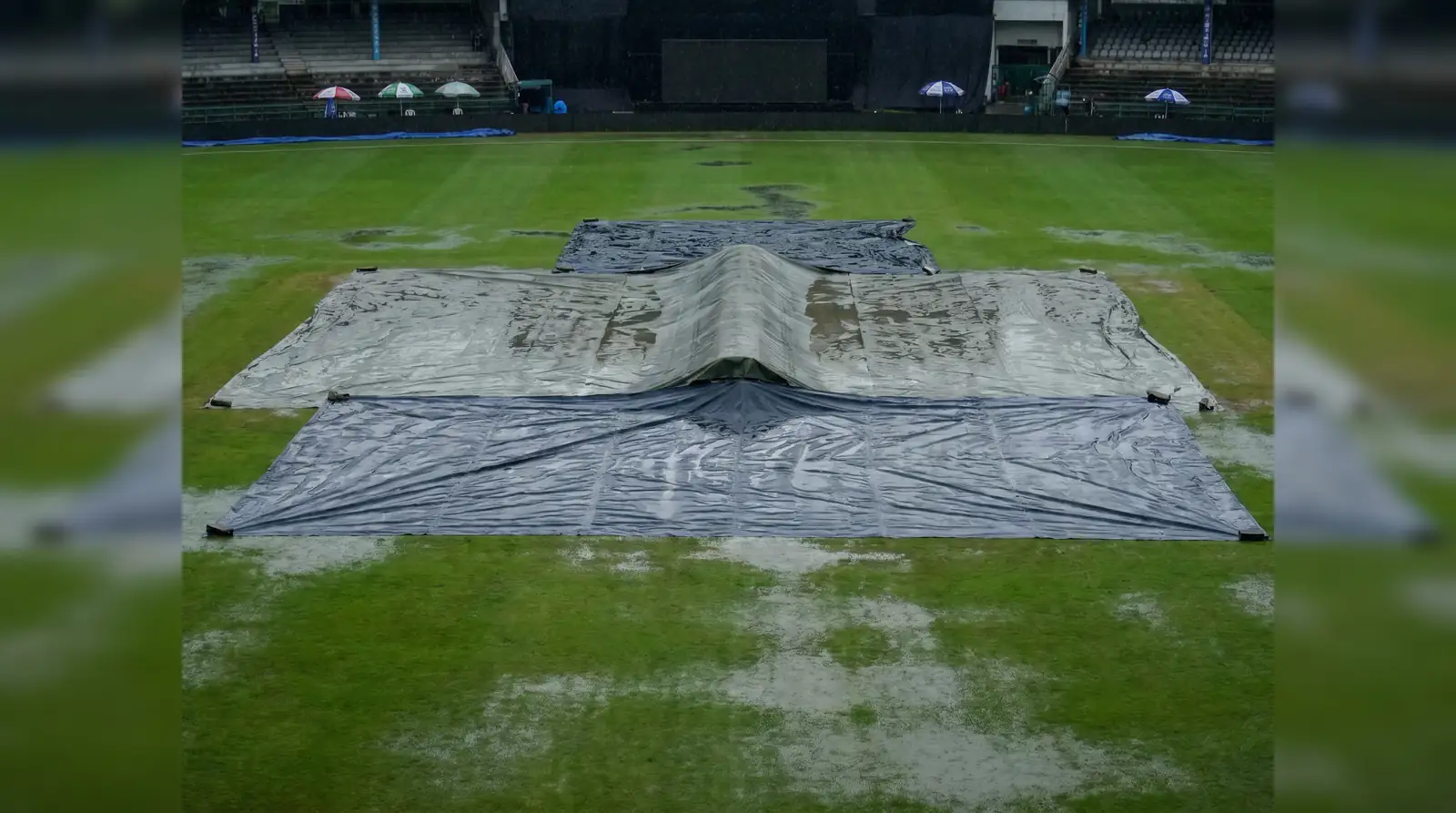
In limited-overs cricket the relationship is different but no less important. Rain doesn’t produce a draw; it produces interruptions that can shorten the game, change the target, or abandon the match entirely, and each of those outcomes has betting consequences. A reduced-overs match favours the side better suited to a sprint, an abandonment may void bets or settle them under specific rules, and a looming forecast can make a team’s strategy, and therefore its price, shift before a ball is bowled. Reading the forecast isn’t a side concern in cricket betting; it’s a core skill, and the bettor who treats it as such is reading the game on a dimension the casual punter never even considers.
The DLS Method and How It Rewrites a Chase
The Duckworth-Lewis-Stern method, universally shortened to DLS, is the formula that recalculates targets in rain-affected limited-overs matches, and understanding it is the difference between betting blind and betting informed when the weather interrupts a chase. It accounts for the resources, overs and wickets, a side has remaining, and adjusts the target accordingly, which can swing a match dramatically in a direction that surprises anyone who doesn’t grasp how it works.
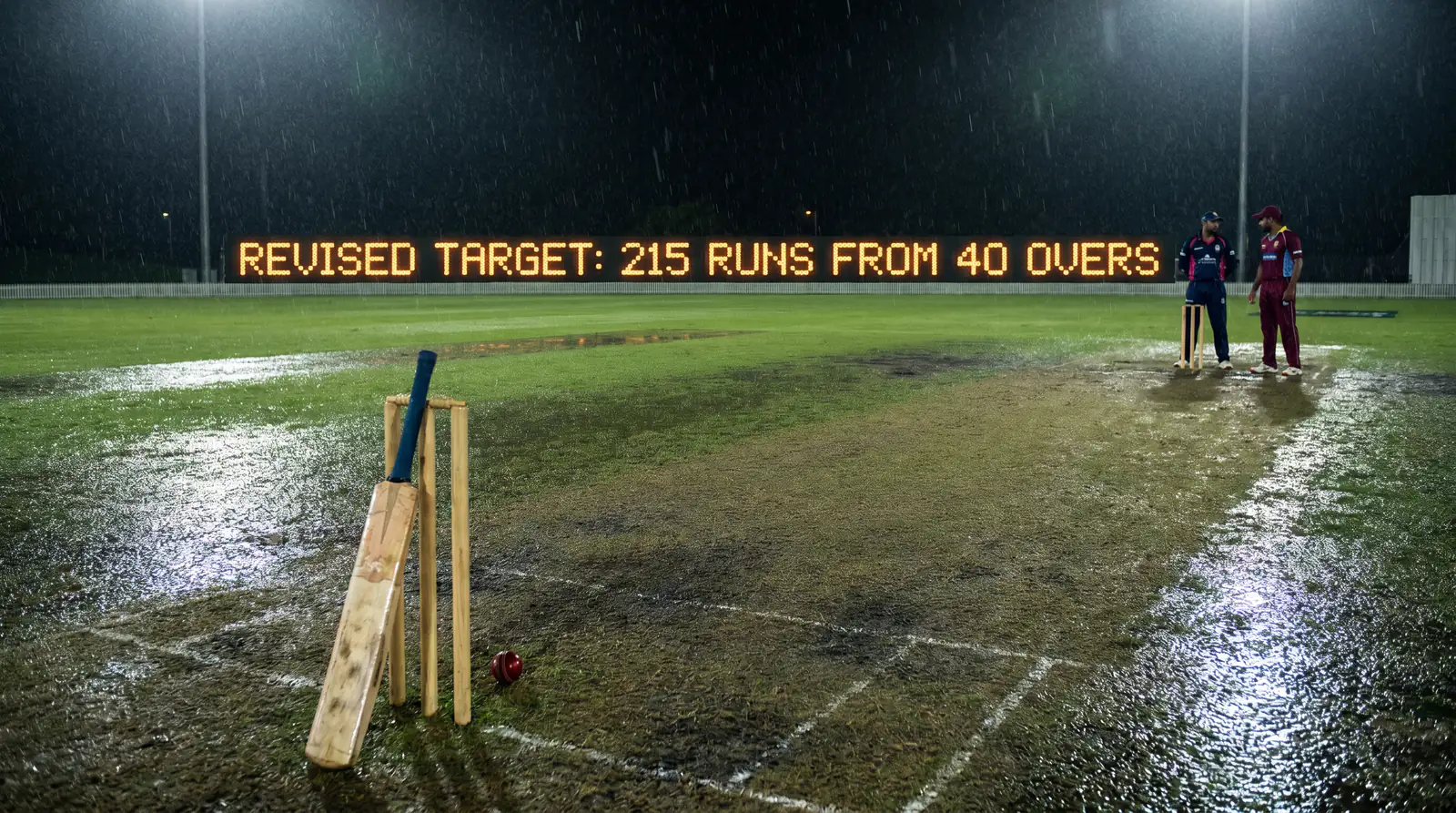
The crucial insight for bettors is that DLS doesn’t simply scale the target down in proportion to lost overs; it weighs wickets in hand heavily, because a side with all its wickets and fewer overs is in a far stronger position than the raw run-rate suggests. This produces outcomes that feel counterintuitive: a chasing side can find its revised target suddenly very gettable after a rain break, or conversely be left needing an awkward rate against a recalculation that favoured the bowling side. The bettor who understands the resource logic can anticipate where a DLS recalculation will land before the market fully digests it, which in a fast-moving in-play market is a genuine edge.
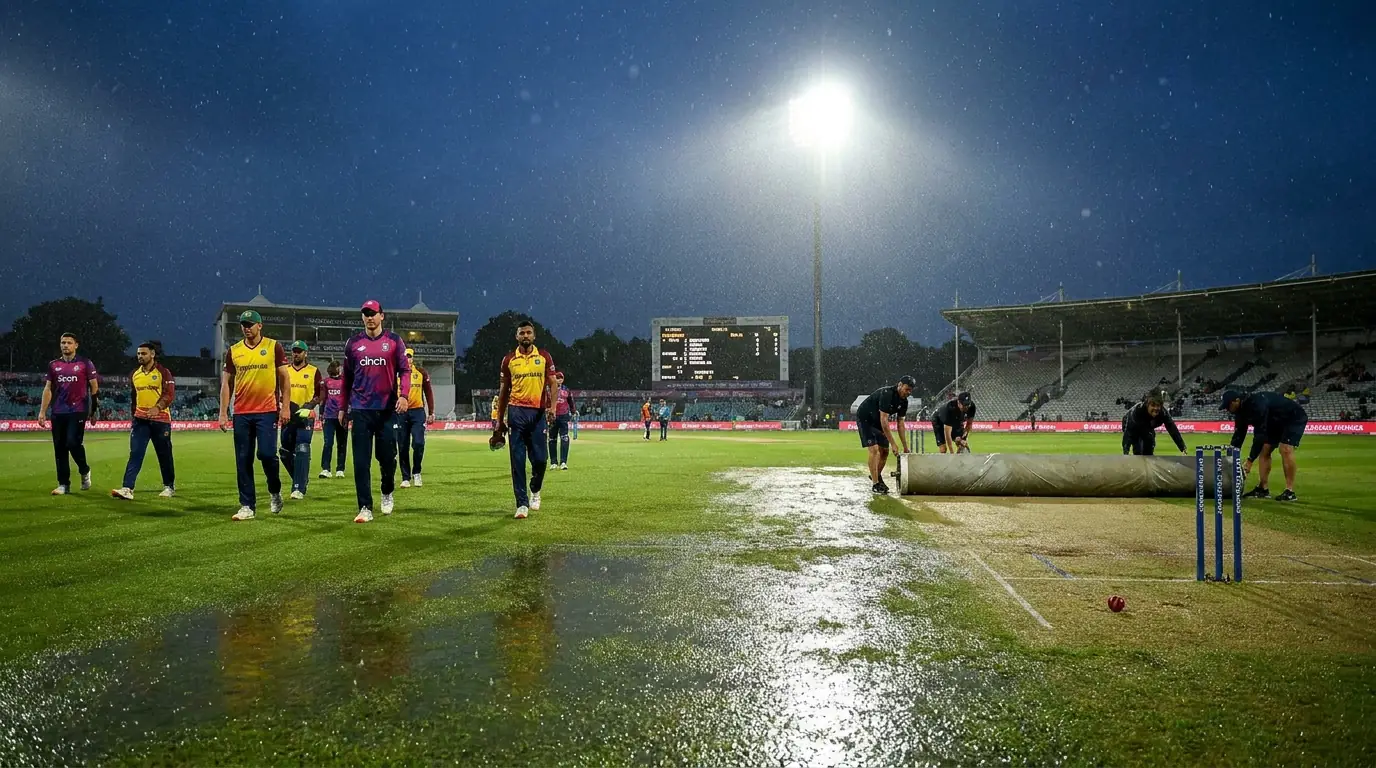
What this means in practice is that a rain interruption mid-chase is not a moment to panic but a moment to read. While the covers are on, I’m working out roughly how DLS will reshape the target if play resumes with reduced overs, and whether the resulting equation favours the chasing or bowling side more than the live price implies. The method is complex enough that most casual punters simply wait to be told the new target, by which point the market has moved; the bettor who can estimate it during the break is the one positioned to act first. Rain in a limited-overs game, properly read through the DLS lens, is an opportunity rather than a disruption.
Turning Forecasts Into a Pre-Match Edge
The real money in weather betting is made before the match, in the pre-match window where a forecast is public but the market hasn’t fully absorbed it. A reliable forecast of rain is one of the few genuinely predictive inputs in cricket, and acting on it early, while prices still reflect a clear-weather assumption, is where the edge lives.

My pre-match weather routine runs alongside the pitch read. I check the forecast for the full duration of the match, not just the first session, paying particular attention to the timing of any rain relative to the format: in a Test, late-match rain inflates the draw; in a limited-overs game, rain at any point raises the chance of a reduced or abandoned match. Then I check whether the market’s prices reflect that risk, and they frequently don’t, because the broad money bets on teams and form rather than meteorology. When a Test is priced for a result but the forecast threatens the back end, the draw is value; when a one-day match faces a serious washout risk, the markets affected by abandonment carry mispriced opportunity. There’s a seasonal dimension too, since participation in some betting markets ebbs and flows with the calendar, four-week participation in racing betting fell to 4 per cent in late 2025 from 7 per cent earlier in the year as the big meetings passed, a reminder that betting volumes and attention shift with the sporting and weather calendar, and cricket’s rain-prone English summer is its own distinct rhythm.
The discipline is to treat the forecast as a real input with real uncertainty, not as a crystal ball. Forecasts are probabilistic, and rain that’s predicted doesn’t always arrive, so the value lies in cases where the market has ignored a genuine risk rather than in betting every cloudy forecast as a certain washout. Weather sits within the wider picture of conditions that decide cricket matches, layered on top of the surface itself, and the dew that affects evening games is a related but distinct factor that I’ve covered separately in my guide to dew factor cricket betting. Read the forecast as carefully as you read the pitch, understand how DLS reshapes a chase, and you’ll be betting cricket on a dimension that the sport, almost uniquely, makes both legitimate and profitable.
How does DLS recalculate a target mid-match?
The Duckworth-Lewis-Stern method adjusts the target based on the resources a side has left, weighing both overs and wickets in hand. It doesn’t simply scale the target to lost overs; wickets in hand count heavily, so a side with all its wickets and fewer overs is stronger than the raw run rate suggests, which can swing a chase in surprising directions.
Should I bet the draw if rain is forecast?
In Test cricket, a serious chance of significant rain, especially late in the match, genuinely inflates the draw’s probability because lost overs mean lost time to force a result. If the market hasn’t priced that in, backing the draw becomes a value bet, but forecasts are probabilistic, so the edge lies in markets that have ignored a real risk rather than betting every cloudy day.
