
 Available in US
Content

Series betting is the closest cricket comes to a long marriage. You commit early, you live through every twist of every match, and you only find out whether the whole thing worked weeks after you handed over your money. That patience is exactly what makes the series winner market so rewarding and so different from backing a single game. You’re not betting on a result; you’re betting on a trajectory, and trajectory is something a thoughtful punter can read far better than a one-off scoreline.
The series winner market asks you to back a team to win a multi-match series outright, whether that’s a two-Test tour or a five-match one-day rubber. It settles only when the whole series is decided, which means your stake is locked up for the duration and your bet survives or dies on the aggregate, not on any single match. That long horizon changes everything about how you should price it and when you should get in.
How Series Markets Are Built and Settled
The first series bet I held to the end taught me something about temperament. I’d backed a touring side before a five-match one-day series, watched them lose the opener, spent two weeks convinced I’d thrown my money away, and then watched them win four on the bounce. Had I been able to bet match by match, I’d have bailed after game one. The series market forced me to back my original read, and the original read was right.

Settlement depends on the series format, and this is where newcomers trip. In a series with an odd number of matches, there’s always an outright winner, so the market is clean. In a series with an even number, a Test series of two or four matches especially, a drawn series is a real and common outcome, which means the market is often three-way: team A, team B, or the draw. Backing a team to win a two-Test series exposes you to a one-all stalemate that returns nothing, exactly the way a drawn single Test does, and that shared structure is worth understanding because the draw logic carries straight over from the single-match game.
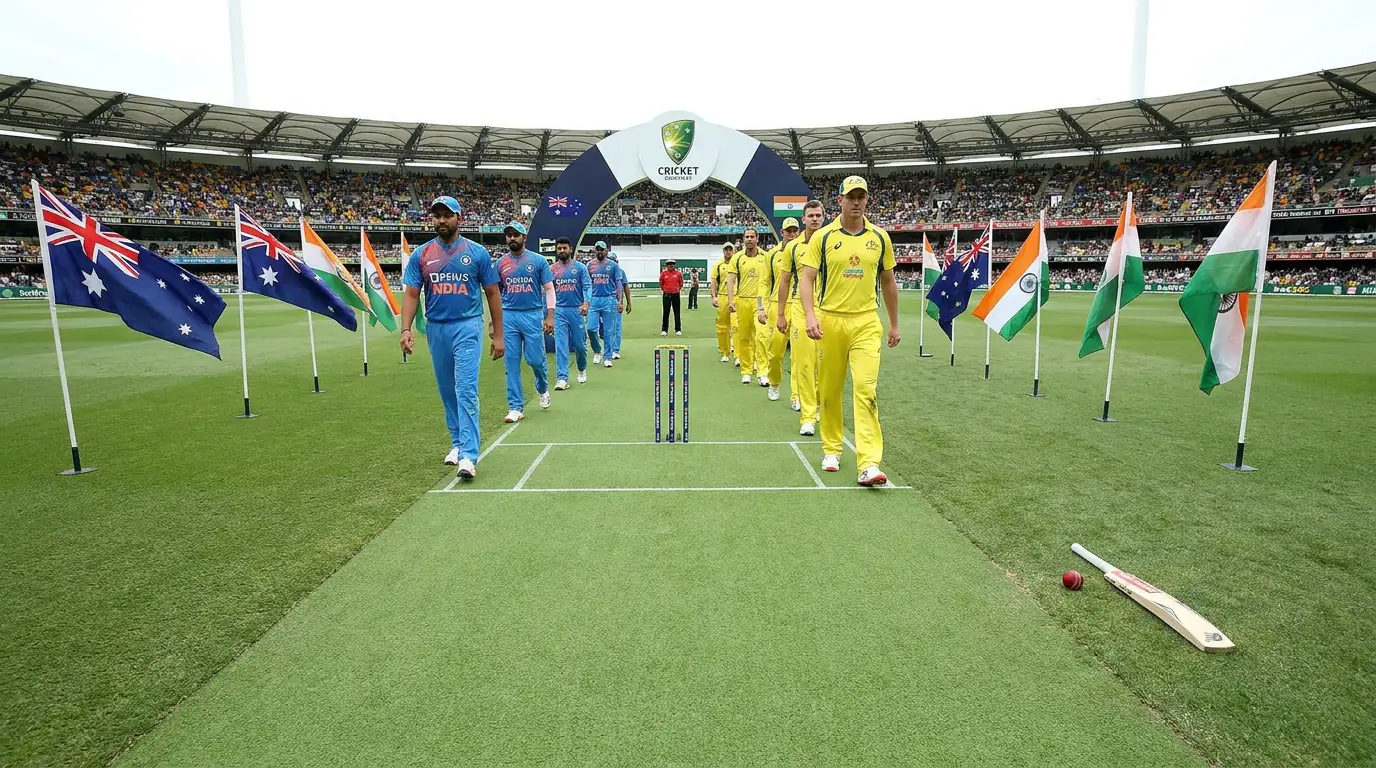
The other structural feature is that series prices move dramatically as matches are played. A team that wins the first Test of a five-match series sees its series price tumble, because it now needs fewer results to clinch. This creates a live, evolving market where the price you took before a ball was bowled may look wildly generous or wildly mean within a week. The scale of money flowing through these long-form markets is real: UK sports betting was generating around 2.48 billion pounds a year in gross gambling yield heading into 2026, and the marquee series, the ones that run for weeks, draw a disproportionate share of that sustained turnover.
Correct Series Score and the Margin Markets
Beyond the simple winner, there’s a richer market that the patient bettor should never ignore: correct series score. Instead of just backing a team to win, you predict the exact margin, 3-1, 2-0, 4-1, and you’re paid far more handsomely for the precision. It’s harder, obviously, but the value can be substantial when you have a genuine read on how lopsided a contest is likely to be.
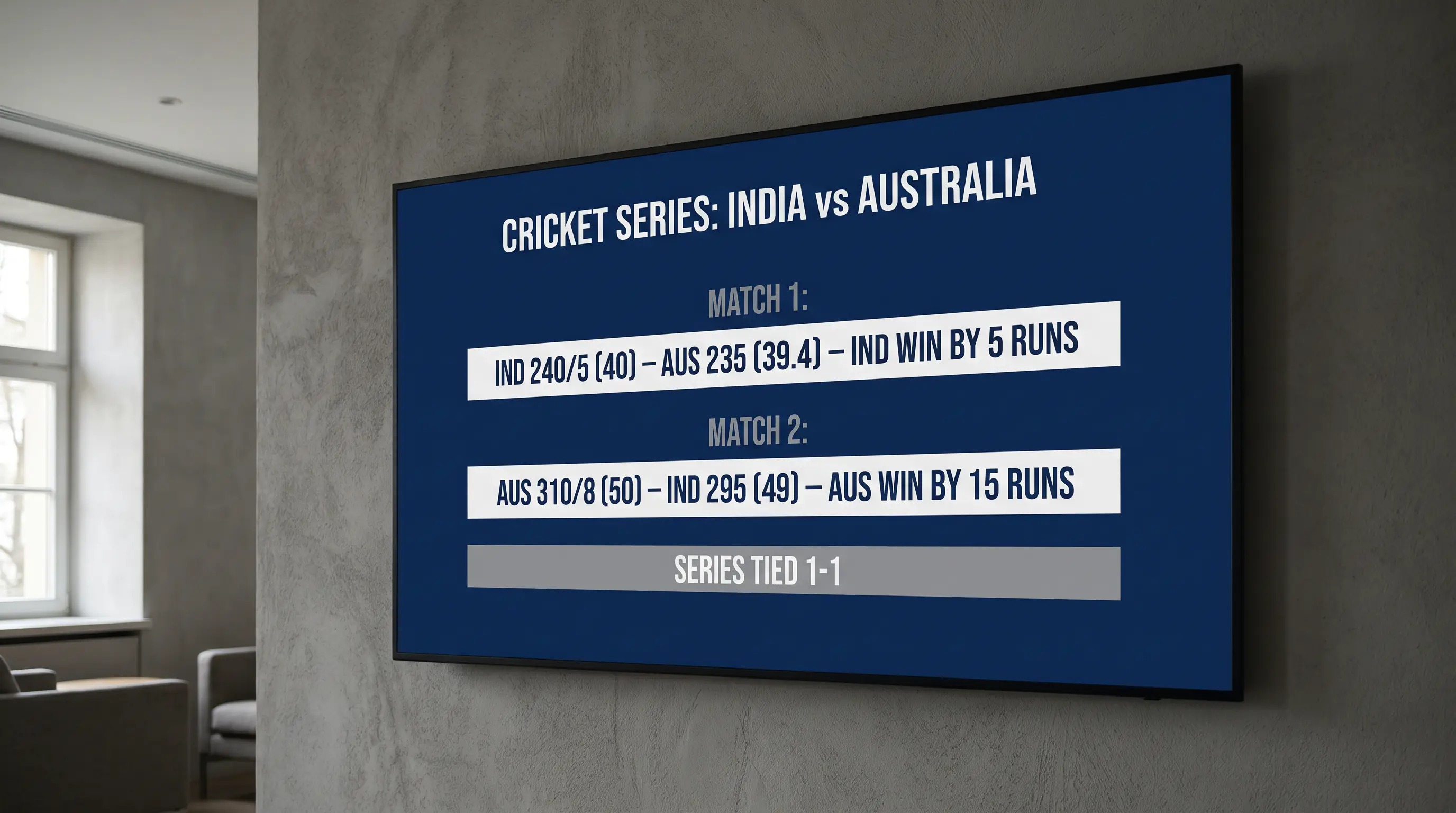
The correct-series-score market exists because aggregate margins in cricket are surprisingly predictable when conditions and quality align. A dominant home side facing a touring team in alien conditions doesn’t just tend to win; it tends to win by a characteristic margin, and the long history of series cricket gives you real evidence to lean on. I treat this market as a way to express a strong conviction more profitably than the bald winner price allows. If I’m confident a series will be one-sided, backing the specific scoreline pays multiples of what backing the favourite outright would, and the homework, recent form, conditions, squad depth, is the same homework either way.
The concentration of the market matters here too. William Hill and Bet365 together pulled in more than half of all UK betting search clicks in early 2026, which tells you how much of the serious series money funnels through a small number of operators, and where money concentrates, the headline winner prices get sharp fast. The correct-series-score market, being more granular and less heavily bet, often retains value that the main winner market has long since priced away. That’s the quiet opportunity: the crowd hammers the obvious favourite to win, leaving the precise-margin prices fresher than they ought to be.
Holding an Outright Against Trading the Position
Here’s the decision that separates the casual series bettor from the sharp one: once you’re in, do you hold to the end or do you trade out along the way? Both are legitimate, and choosing well depends entirely on what’s happened since you placed the bet and whether you can lock in a profit before the risk plays out.

Holding is the purist’s path. You back your read, you ride every match, and you collect or lose at the end. It’s the right approach when your original conviction remains intact and the price hasn’t moved enough to make banking a partial profit worthwhile. The discipline is psychological as much as anything, because a series will test your nerve repeatedly, and the temptation to bail after a single bad match is exactly the temptation that costs people the long-term winners they correctly identified.

Trading is the more active path, and it relies on the way series prices swing as matches are decided. If you backed a team at a generous price and they win the opening two Tests of a five-match series, their series price will have shortened dramatically, and you can often lay them off or take a cash-out to lock in a guaranteed profit regardless of how the rest plays out. I trade out when the price has moved far enough in my favour that the guaranteed return beats the expected value of holding, and I hold when it hasn’t. There’s no universal rule; there’s only the arithmetic of what you can lock in now against what you might win later. This same logic of backing a long outright and managing it over time runs through the most famous series of all, and the conditions-and-history angle that drives it is the subject of my guide to Ashes betting, where home advantage turns series pricing into an art of its own.
Series betting rewards exactly the qualities that single-match betting punishes: patience, conviction, and a willingness to sit through short-term noise to be proved right over the long run. Get your read on a series correct before it starts, decide in advance whether you’re a holder or a trader, and pay attention to the richer correct-score market where the value tends to linger. Do that, and the weeks of waiting stop feeling like dead time and start feeling like the edge they actually are.
What happens to a series-winner bet if the series is drawn?
In a series with an even number of matches, a drawn series is a distinct outcome, and most markets price it as a three-way bet with team A, team B and the draw. Backing a team to win returns nothing if the series finishes level, so always check whether the draw is in play before betting.
Can I cash out a long-term series outright?
Usually, yes. Because series prices move sharply as matches are decided, operators typically offer cash-out on outright series bets, letting you lock in a profit or limit a loss before the series ends. Whether to take it comes down to whether the guaranteed return beats the value of holding to the finish.
