
 Available in US
Content
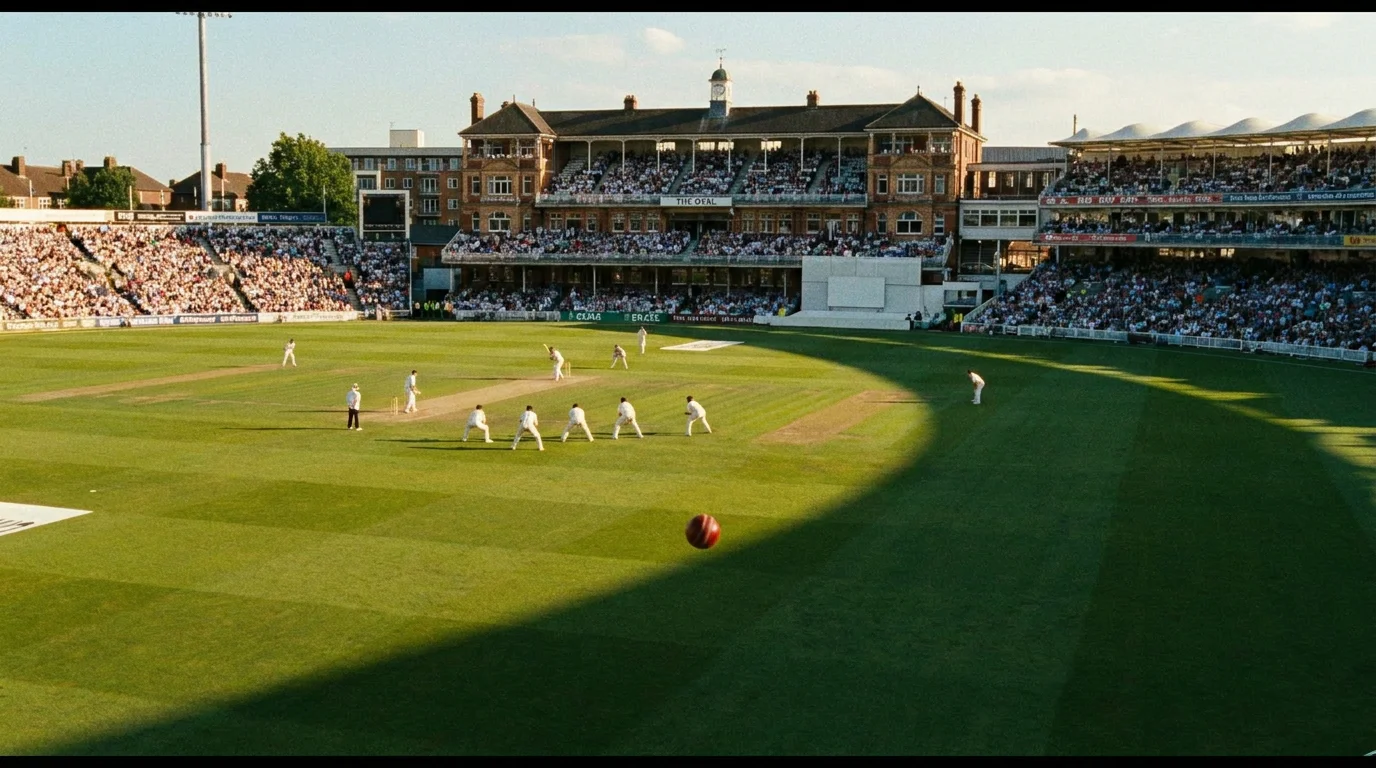
Test cricket is the thinking bettor’s format, and I mean that as both a compliment and a warning. Five days of cricket give the better team time to prove itself, which makes results more predictable than the white-ball lottery, but they also give the weather, the pitch and the clock endless opportunities to intervene, which makes the draw a constant companion. Master the interplay of quality, time and conditions and Test betting rewards you handsomely. Ignore any one of them and the five-day format will find the gap.
Test match betting covers the markets built around the five-day, red-ball international game: the three-way result, day-by-day and session in-play markets, individual performance markets, and the format-specific bets like the follow-on that exist nowhere else. The defining feature, the one that shapes every other market, is time. Five days is long enough for skill to express itself and long enough for that expression to be interrupted, and reading which of those forces wins out is the whole art.
It’s worth remembering why the markets are as deep and sophisticated as they are. The ICC’s anti-corruption people have noted that “advancing technology and increasing popularity have led to a substantial increase in the amount, and the sophistication, of betting on cricket matches.” Test cricket, with its days of play and its multitude of micro-markets, offers more surfaces to bet, and to manipulate, than any other format, which is exactly why both the betting and the integrity machinery around it have grown so elaborate.
The Five-Day Result Market and Its Draw Problem
The single most expensive misunderstanding in Test betting is treating the result market as a two-way choice when it’s emphatically three. A Test can be won by either side or drawn, and that draw isn’t a rare edge case; it’s a regular outcome that turns dominant performances into nil returns and catches out an astonishing number of newcomers who assume their superior team “did enough”.
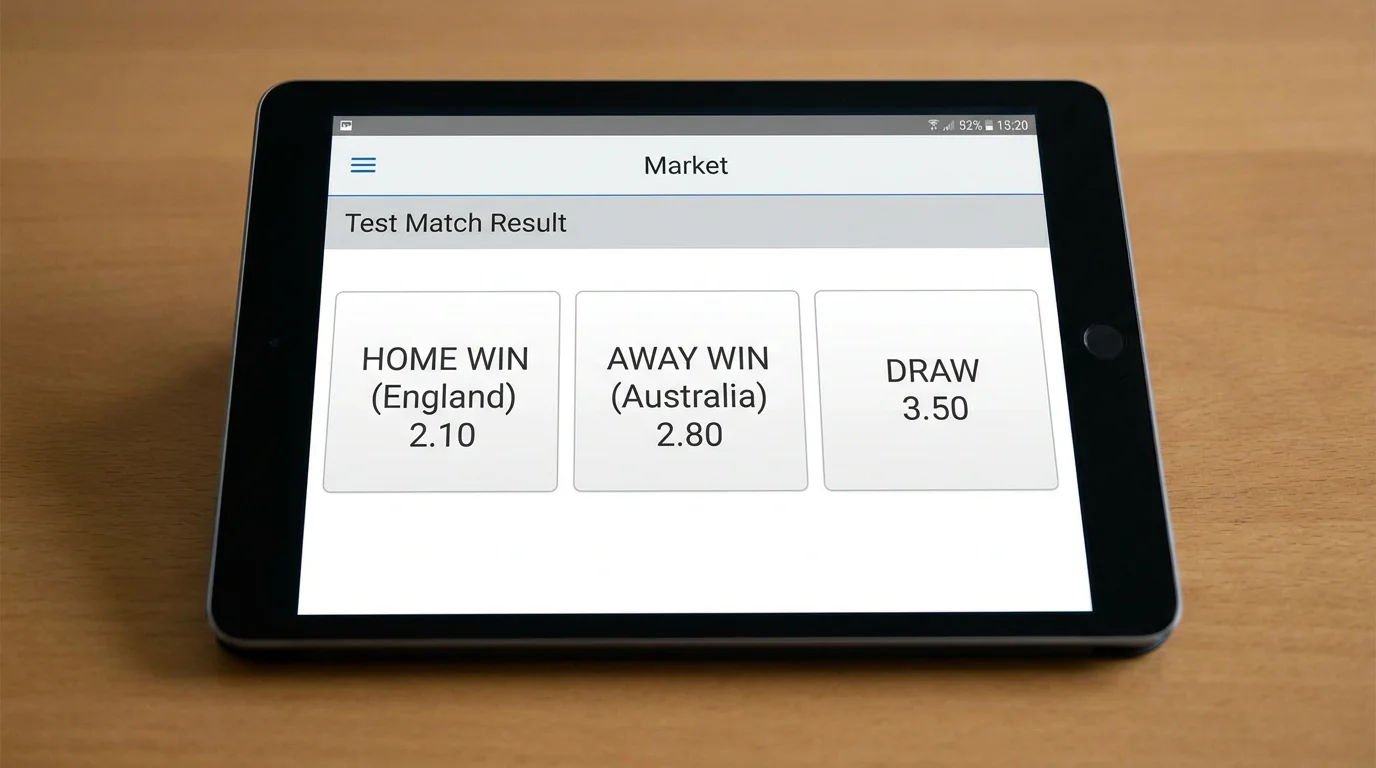
The mechanics are unforgiving. To win a Test, a side must take twenty wickets in the time available, and time is fragile across five days, vulnerable to rain, slow over-rates, stubborn lower-order resistance and flat pitches that refuse to deteriorate. A team can outplay the opposition for four and a half days and still fail to bowl them out twice before the clock runs out, and the result is a draw that pays both the home and away backers nothing. Backing a team to win a Test is therefore a compound bet: you’re betting they’re better and that there’s enough time and help in the conditions to convert that superiority into a result, a calculation that has no real equivalent in the limited-overs game, where every completed match produces a winner. That contrast with the 50-over format, where the draw simply doesn’t exist and the result market is genuinely two-way, is worth keeping in mind, and I’ve drawn it out fully in my guide to ODI betting in cricket.
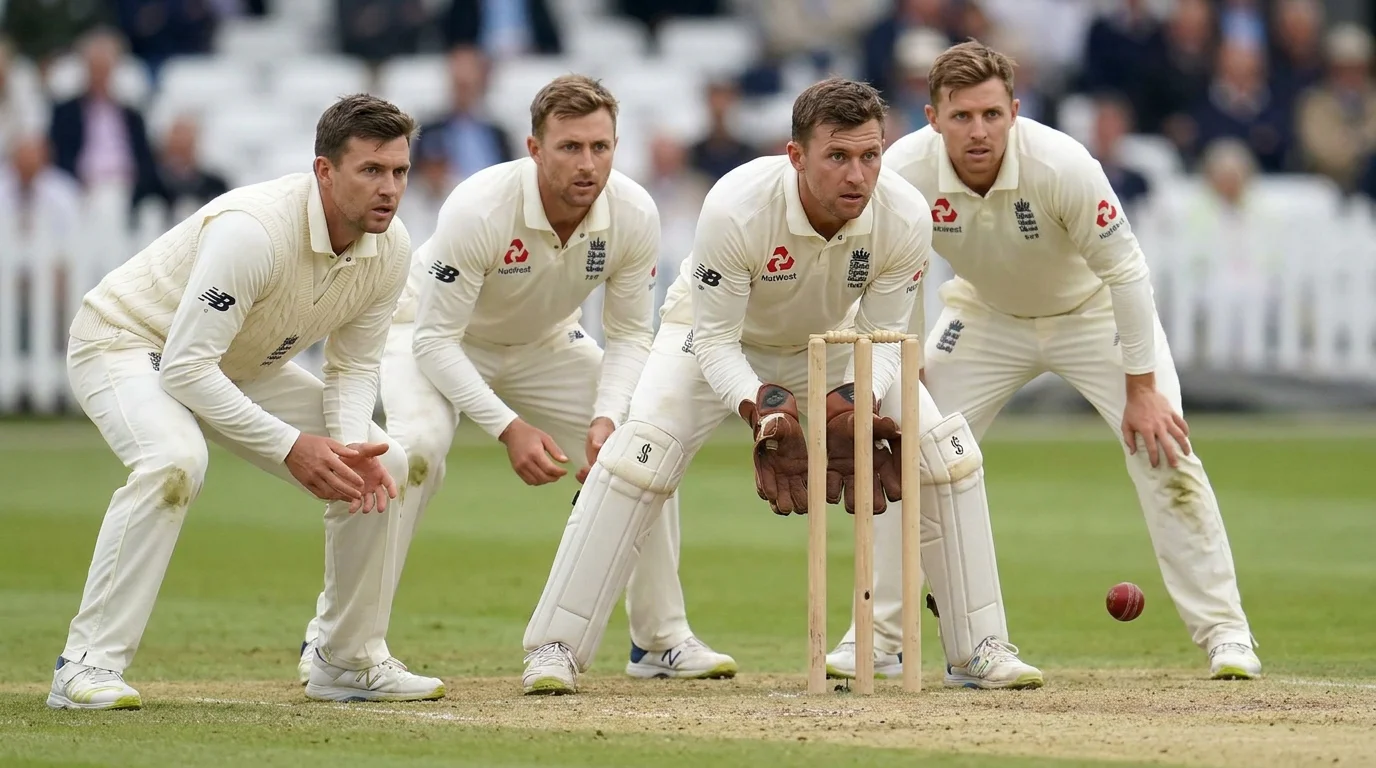
This is why I weigh the forecast and the pitch as heavily as the team quality before backing a Test winner. A strong side batting first on a placid surface with rain forecast for the back end is a far worse winner-bet than the same side bowling last on a crumbling pitch under clear skies, even when reputation prices them similarly. The draw is the silent third competitor, and respecting it, either by reading the conditions properly or by using a draw-no-bet market to neutralise it, is the dividing line between Test bettors who last and those who don’t.
Day-by-Day In-Running Across Five Days
The glory of Test betting, and where I do much of my work, is the in-running market that unfolds across five days. No other format gives you this: a slow, evolving contest where the prices shift session by session as the match state changes, offering a patient bettor repeated opportunities to read the game better than the market does.

The five-day arc creates a rhythm of value. A side might start as favourite, slip behind after a poor first day, and drift to a generous price just as conditions are about to turn in their favour, a wearing pitch on days four and five, a new ball due, a weather window closing. The bettor who understands how a Test ebbs and flows can find value in those swings that a one-day match, decided in an afternoon, never offers. In 2025 integrity monitors flagged 59 suspicious cricket matches, a notable rise on the year before, and the multi-day in-play markets are precisely where the sport’s vulnerability concentrates, because a five-day game offers so many discrete passages, sessions, individual days, that can be influenced without altering the overall result. That’s the integrity backdrop to live Test betting, and it’s a reason to bet only with operators inside the regulated, monitored framework. The oversight is long-established: the ICC’s Anti-Corruption Unit has operated since 2000, and its updated global Anti-Corruption Code came into force on 1 June 2024, covering both international and domestic cricket, with the multi-day game’s many discrete passages squarely in its sights.
The discipline that in-running Test betting demands is patience of a particular kind: the willingness to wait through hours of attritional cricket for the moment the market misprices a genuine shift. The relentless segmented betting that the format invites, a fresh price every session, every milestone, every wicket, is exactly the trap that erodes discipline, so I pick my spots and ignore the constant churn, reading momentum without ever being swept up in the pace.
Declarations, the Follow-On and the Format’s Peculiar Bets
Test cricket has tactical machinery that exists in no other format, and it throws up betting situations that genuinely have no equivalent elsewhere. Declarations and the follow-on are the two that most reshape a live market, and understanding them is what separates the Test specialist from the bettor who just applies one-day logic to a five-day game.

A declaration, where a batting captain voluntarily ends their innings to leave time to bowl the opposition out, can transform a result market in an instant. A side grinding along in a seemingly drawn match might declare to set up a run chase, suddenly making a result possible where the draw had looked nailed on, and the live prices lurch to reflect a game that’s just been reopened. Reading a likely declaration before the market fully prices it, sensing when a captain will gamble on a result rather than settle for safety, is a genuine edge available to the punter who knows the tactical context and the captain’s temperament.

The follow-on is the format’s other peculiarity, where a side with a large first-innings lead can compel the opposition to bat again immediately rather than batting themselves. It dramatically affects the match’s tempo and the draw probability, and some bookmakers offer specific follow-on markets, will it be enforced, will it be avoided, that reward an understanding of the conditions and the captain’s likely thinking. These format-specific bets are where Test cricket’s depth genuinely pays the studious bettor, because they require cricketing knowledge that the casual punter simply doesn’t have. The five-day game asks more of you than any other format, in patience, in conditions-reading, in tactical awareness, and in return it offers the richest, most nuanced betting in the sport. Respect the draw, read the conditions, master the format’s peculiar tactical bets, and Test cricket becomes not the slow, impenetrable format the casual punter avoids, but the one where genuine cricketing intelligence is rewarded most generously of all.
How does a declaration change live Test odds?
Sharply. When a captain declares to set up a run chase, a match that looked destined for a draw is suddenly reopened, and the live result prices lurch to reflect that a win for either side has become possible. Reading a likely declaration before the market fully prices it is a real edge for a punter who knows the tactical context.
What is follow-on betting?
The follow-on is when a side with a large first-innings lead makes the opposition bat again immediately rather than batting itself, which alters the match tempo and the draw probability. Some bookmakers offer markets on whether it will be enforced or avoided, rewarding a punter who understands the conditions and the captain’s likely thinking.
