
 Available in US
Content
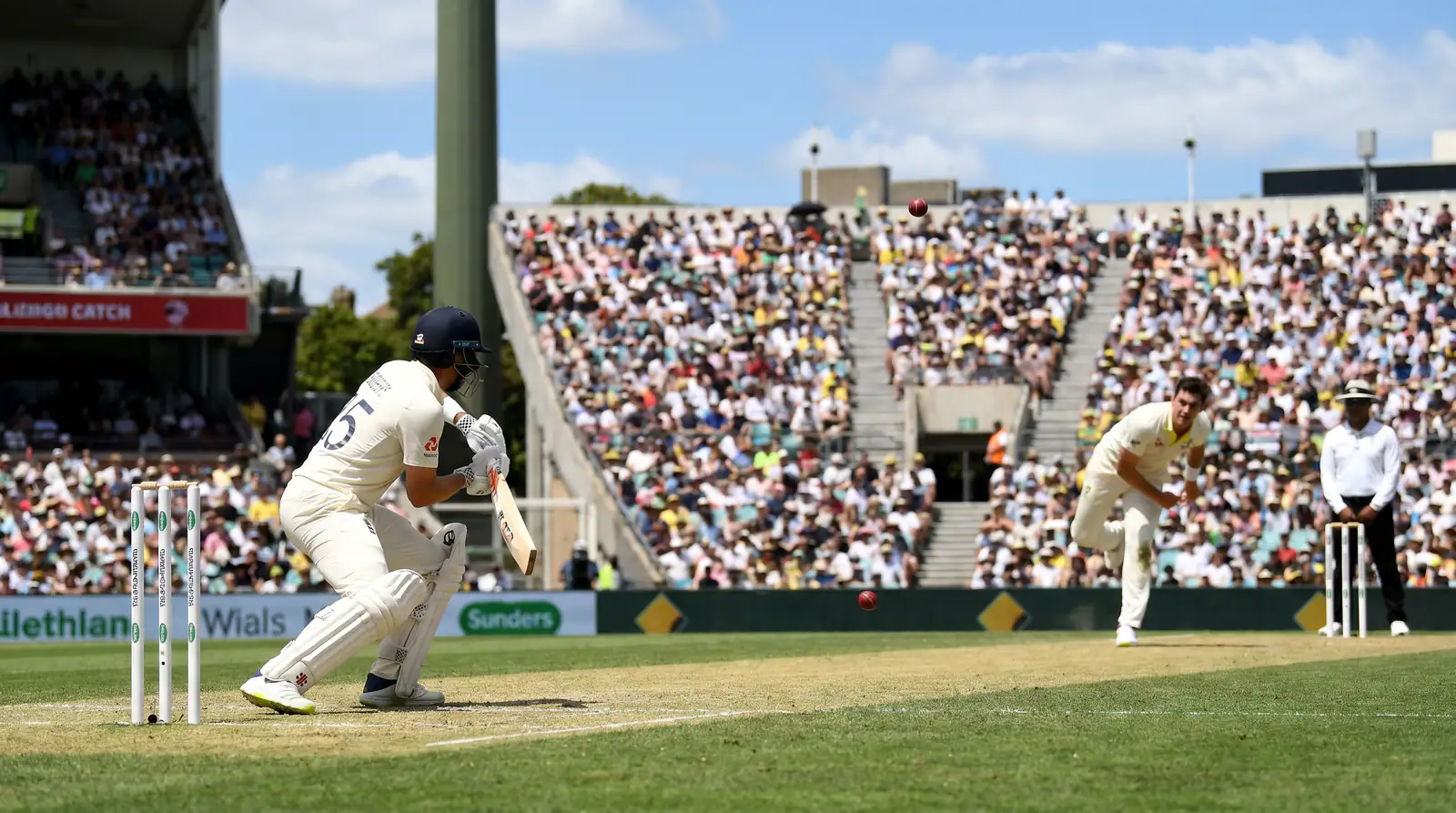
No cricket contest moves money like the Ashes. England against Australia over five Tests carries a weight of history, rivalry and sheer national feeling that distorts the betting markets in ways no other series does, and that distortion is precisely where a clear-headed punter finds an edge. The Ashes isn’t just another series to price; it’s a series where the crowd’s emotions are most likely to pull prices away from reality, and reading that gap is the whole game.
Ashes betting covers the markets built around the England-Australia Test series: the outright series winner, the correct series score, individual Test results, and a thicket of player and performance markets that bookmakers lavish on the contest because the public bets it so heavily. The fundamentals are the same as any Test series, but the volume of money, the strength of feeling, and the deep statistical history make the Ashes a series where homework genuinely pays.
The Markets That Define an Ashes Summer
The thing that strikes me every Ashes is how much the market widens out compared to an ordinary series. Bookmakers know the public will bet anything with “Ashes” attached, so they offer everything: series winner, series correct score, top series run scorer and wicket-taker for each side, individual Test outrights, and a wall of in-play and session markets across every day of every Test. The sheer breadth is both an opportunity and a trap.

The series winner and correct-series-score markets are the backbone, and they behave the way all series outrights do, swinging hard as Tests are decided and rewarding a punter who reads the contest’s trajectory rather than any single match. The general mechanics of holding or trading these long outrights, and why the correct-score market often retains value the winner market has shed, carry straight over from any multi-Test rubber, and I’ve set out that framework in my guide to series winner betting in cricket. What’s distinct about the Ashes is the depth of the player markets: with so much money in play, the leading run scorer and wicket-taker markets for each side become genuinely deep and well-priced, which means they reward serious analysis rather than punishing it the way thin markets do.

This commercial intensity isn’t an accident, and it’s worth seeing the scale of it. Between 2020 and the end of August 2025, at least 165 sponsorship deals were struck between betting firms and leading cricket teams, tournaments and players, with 31 of those signed in the first eight months of 2025 alone, and the Ashes sits at the very top of the events those firms most want their names attached to. That money pours into pricing and promoting Ashes markets, which deepens the liquidity and, in the headline markets at least, sharpens the prices. The concentration is striking: William Hill and Bet365 between them captured more than half of all UK betting search clicks in early 2026, and an Ashes summer is exactly when that concentration peaks, as the biggest operators compete hardest for the marquee turnover. The value, as ever, tends to lurk in the markets the crowd over-bets on sentiment rather than the ones the sharp money has already corrected.
Home Advantage and the Weight of History
If there’s one number that should anchor every Ashes bet you make, it’s the home record, because home advantage in the Ashes is not a vague notion; it’s one of the most powerful and well-documented patterns in all of cricket. Both England at home and Australia at home win Ashes series at a rate that dwarfs their away record, and the market knows it, which means the question is never whether home advantage exists but whether the price has it priced correctly.
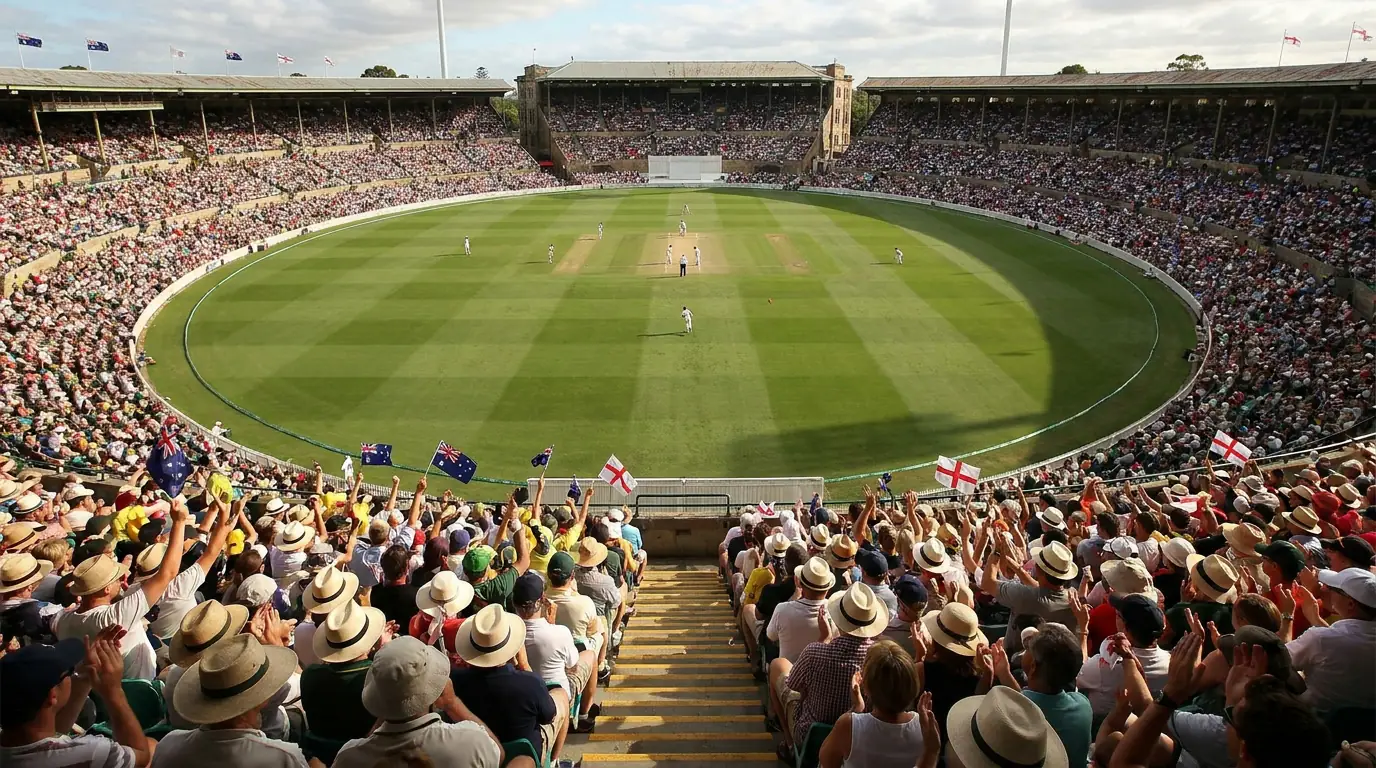
The reasons are concrete rather than mystical. Home sides know their conditions intimately: England’s seaming, swinging surfaces under grey skies reward a different bowling attack and a different batting temperament from Australia’s hard, bouncy, sun-baked pitches, and each side is built, selected and conditioned for home conditions. The Dukes ball in England behaves nothing like the Kookaburra in Australia, the over-rate, the light, the crowd, all of it tilts toward the host. A touring side can absolutely win, but they’re swimming against a current that the history makes plain, and any Ashes bet that ignores venue is a bet placed half-blind.
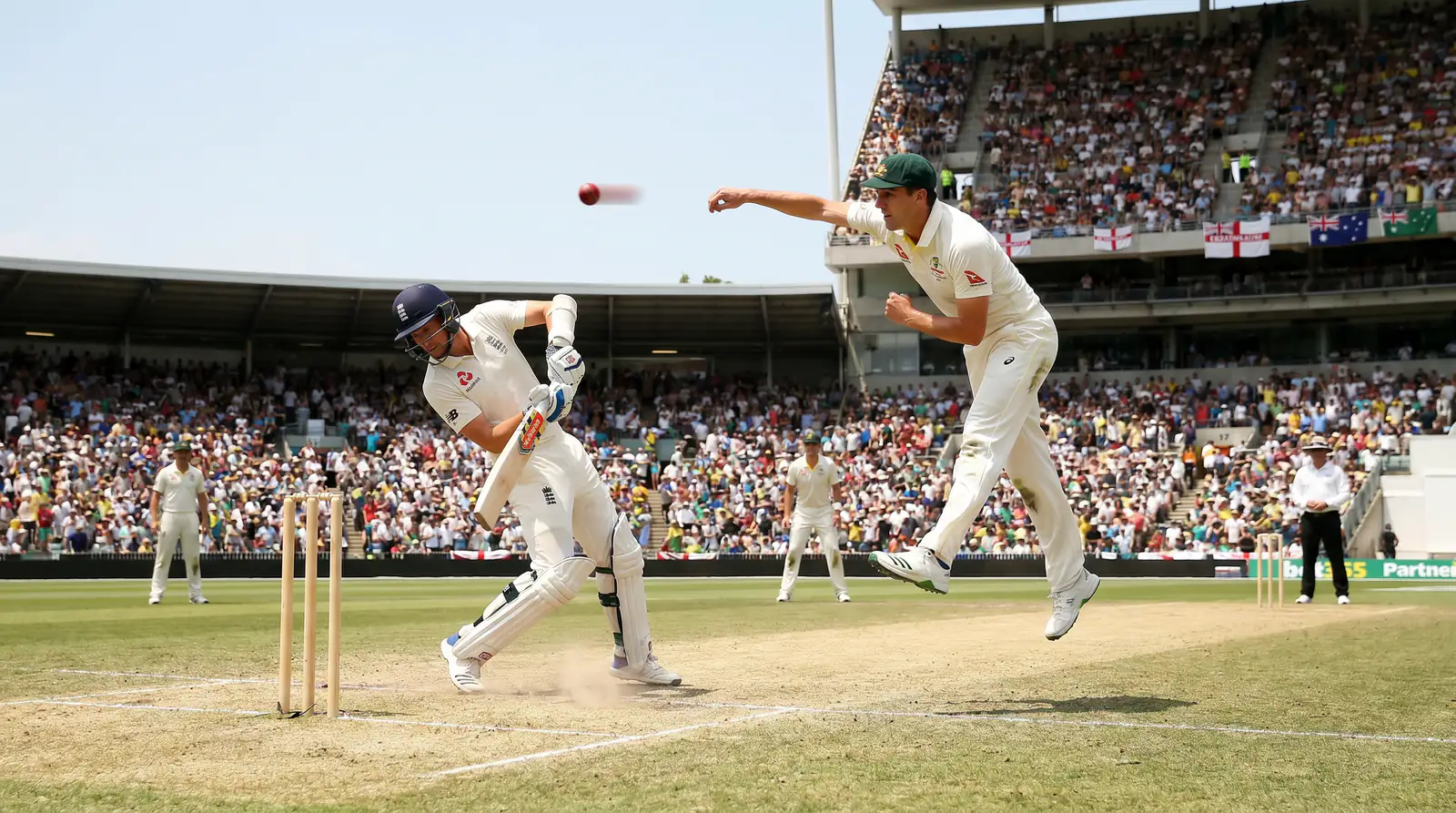
It pays to remember, too, that the people running the show have priorities of their own. Sir Geoffrey Boycott, in his characteristically blunt way, once complained that the “only thing they are interested in is money. Cricket is run by Suits.” The Ashes is the commercial jewel, scheduled, marketed and monetised to the hilt, and that commercial machine shapes everything from the scheduling to the saturation of betting markets around it. None of which changes the cricket, but it’s a useful reminder that the spectacle and the betting frenzy are engineered, and a disciplined punter keeps their head while the marketing works on everyone else’s.
Building a Sensible Approach to the Series
The mistake I see every Ashes is the patriotic bet, the England fan piling on England at home regardless of the price because it feels right, or the contrarian backing Australia purely to be different. Both are emotional positions dressed as analysis, and the Ashes, more than any other series, punishes emotion because the markets are so heavily weighted by exactly that sentiment.

A sensible Ashes strategy starts before the series with a cold assessment of the squads, the conditions, and crucially the venue, then weighs that assessment against the prices on offer rather than against your hopes. Home advantage should be your baseline, adjusted for the specific strengths of each squad: a touring side with a bowling attack genuinely suited to the host conditions narrows the home edge, while one whose strengths are useless away from home widens it. I look hardest at the early series price, before the first Test reshapes everything, because that’s when the market is most influenced by reputation and pre-series hype and least by what’s actually unfolding on the field.
Within the series, the live and player markets reward the same patience. The deep run scorer and wicket-taker markets are where genuine cricketing knowledge, who suits these conditions, whose technique holds up against this attack, can beat a market that’s pricing on name recognition. And the trajectory of the series itself, captured in the swinging outright prices, rewards the holder who backed a sound pre-series read and has the nerve to sit through a single bad Test. The Ashes is the most over-bet contest in the cricket calendar, which is exactly why a punter who brings discipline instead of passion finds more value here than almost anywhere else. Read the venue, respect the history, ignore the noise, and let everyone else bet with their heart.
Why are home teams favoured in Ashes Tests?
Because home conditions tilt the contest heavily. England’s seaming, swinging surfaces and the Dukes ball suit different players from Australia’s hard, bouncy pitches and the Kookaburra, and each side is built and conditioned for home. The historical record shows both nations winning far more often at home, and the market prices that in.
Which Ashes market offers the best value early?
The pre-series outright and player markets, before the first Test reshapes everything, are where reputation and hype most distort prices. The deep leading run scorer and wicket-taker markets in particular reward genuine knowledge of which players suit the host conditions, rather than the name recognition the crowd tends to back.
