
 Available in US
Content
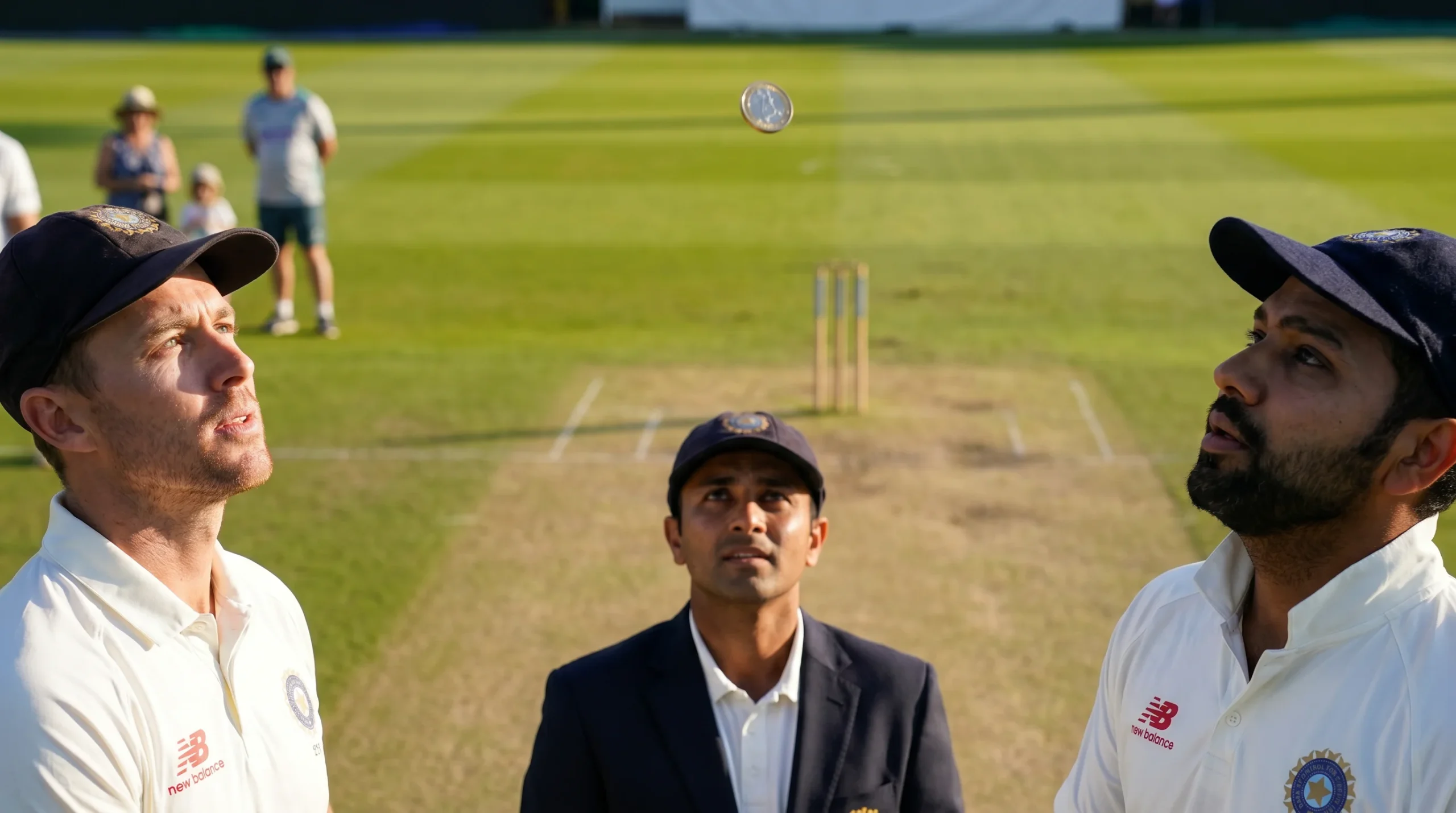
The coin toss is the one moment in cricket that’s genuinely random, and the bookmakers price it as such, which makes the toss-winner market the closest thing to a pure coin flip you’ll find on a betting site. The interesting question isn’t who wins the toss, which is unknowable, but what winning it is worth, because in certain conditions the toss is a meaningful edge and in others it barely matters at all. That distinction is where the real toss betting lives.
Toss betting in cricket covers two quite different things: the toss-winner market, betting which captain calls the coin correctly, and the far more interesting question of how the toss outcome and the bat-or-bowl decision affect the match result. The first is a 50-50 novelty; the second is a genuine analytical edge for the bettor who understands when conditions make the toss decisive and when they render it irrelevant.
The Toss-Winner Market and Why It’s a Coin Flip
Let me be blunt about the toss-winner market, because someone needs to be: it is a coin flip, and no amount of analysis will change that. A fair coin has no memory, no form, no momentum, and a captain’s record at calling heads or tails is meaningless noise. The market exists because people enjoy betting it, not because it can be beaten.
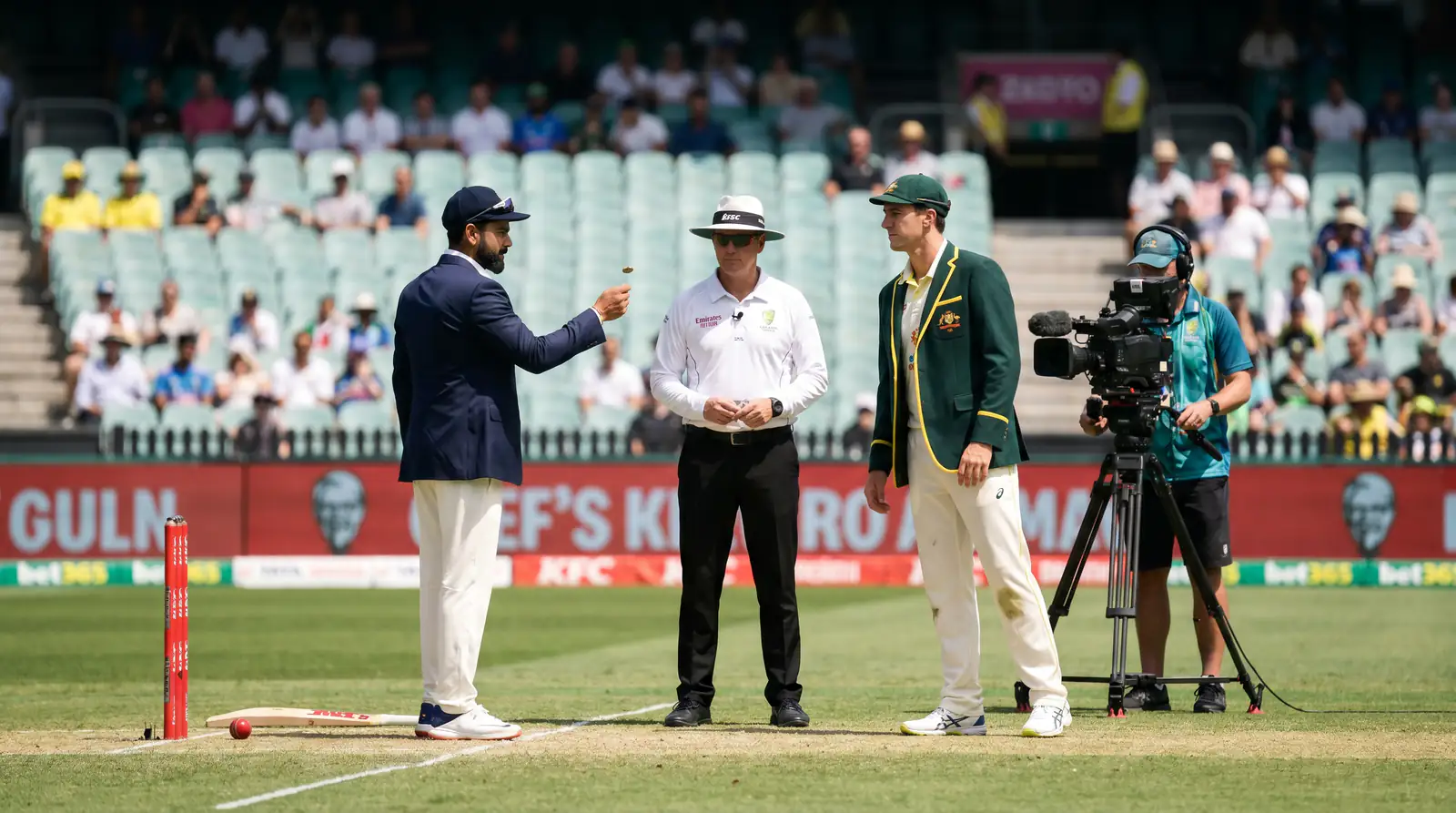
The honest implied probability of either side winning the toss is 50 per cent, and the bookmaker prices it accordingly, then adds their margin, which means the toss-winner market actually offers worse value than a true coin flip. You’re paying the overround for the privilege of betting on randomness, and there’s no skill that recovers that edge, because there’s no information that predicts a coin. I never bet the toss-winner market for value, and I’d gently steer anyone who thinks they’ve found an angle on it away from the idea, because the only angle on a fair coin is the bookmaker’s margin working against you.

This matters as a discipline point because the toss-winner market is a perfect example of betting on a number rather than a probability. A punter who calculates implied probability as a habit immediately sees that the toss market offers no edge, because the true chance is fixed at 50 per cent and the price can only be worse than that once margin is applied. The skill of reading a price as a probability, which underpins every good betting decision, makes the futility of the toss-winner market obvious at a glance. The toss-winner market is, if nothing else, a clean illustration of why you should never bet a number you haven’t converted into a chance.
The Bat-or-Bowl Decision and What It’s Worth
Here’s where toss betting gets genuinely interesting, because while the coin is random, the decision that follows it is not, and the value of winning the toss varies enormously with conditions. In some matches, winning the toss is a significant advantage; in others, it’s almost worthless. Reading which is which is a real edge, and it feeds into the match-result markets far more than the toss-winner market ever could.

The bat-or-bowl decision matters most when conditions change dramatically over the course of a match. On a pitch that will deteriorate sharply, batting first and posting a total before the surface becomes treacherous is a real advantage, and winning the toss to make that choice is worth backing into the match price. In day-night matches where heavy dew is expected, the calculus reverses: winning the toss to bowl first and chase under the eased evening conditions is the prized decision, and a captain who wins the toss and inserts the opposition is signalling exactly that read. The toss is valuable precisely when the two innings will be played in materially different conditions, because the toss winner gets to choose which set of conditions to take.

Conversely, on a flat, stable pitch under settled skies where the surface will play much the same throughout, winning the toss is close to meaningless, and the match price should barely move on the toss result. The mistake the casual bettor makes is assuming the toss always matters, or never matters, when the truth is entirely conditional. I assess every match for how much the conditions will change between innings, and that assessment tells me how much weight to give the toss outcome when it lands. A toss won in dramatically shifting conditions can swing a result-market read; a toss won on a featherbed under blue skies barely registers, and pricing the two identically is a clear error.
Connecting the Toss to the Match Result
The practical payoff of all this is that the toss, in the right conditions, becomes a live input into your match-result betting rather than a novelty side-bet. When the toss is genuinely decisive, the moment it’s resolved is a moment to act, because the match price will shift and the prepared bettor can often beat the adjustment.
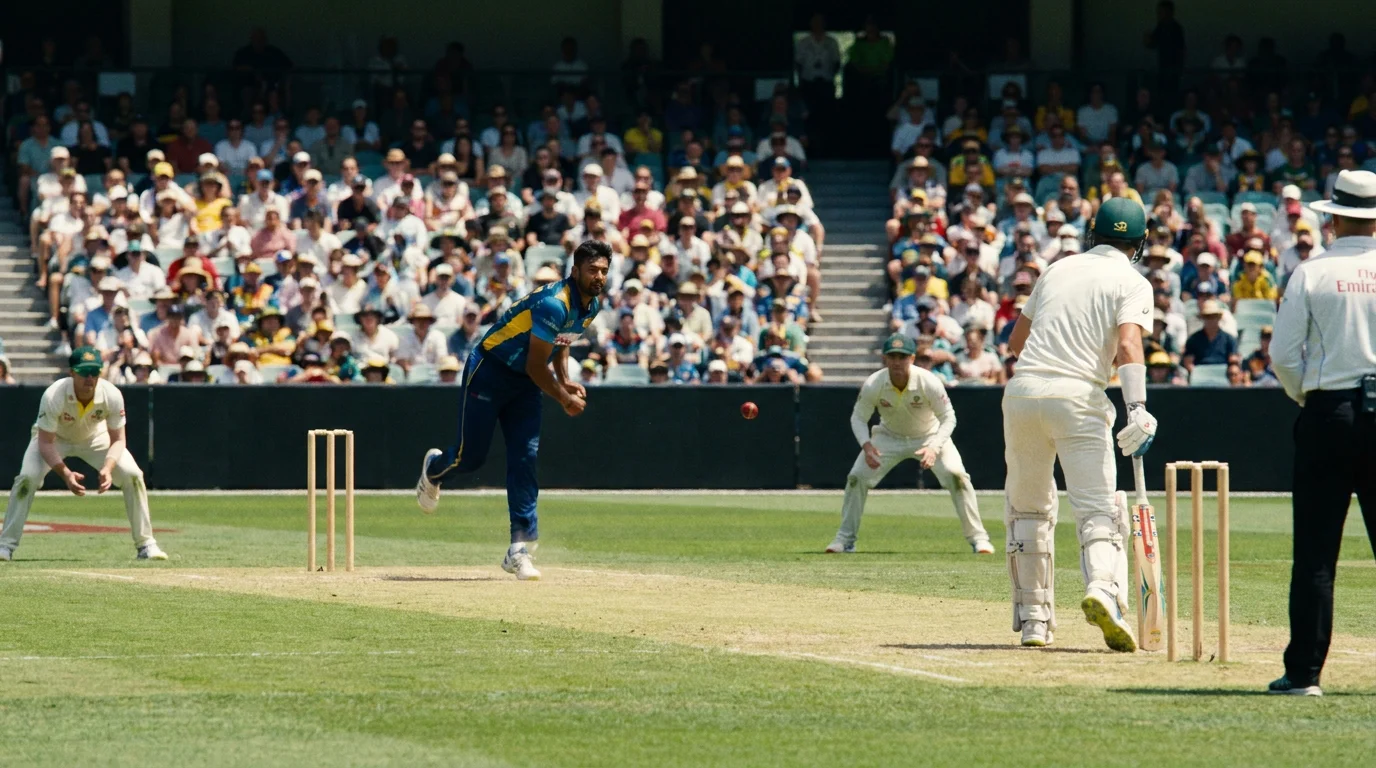
My approach is to do the conditions work before the toss, so that when the coin lands I already know what each outcome means. If I’ve judged that the pitch will deteriorate and batting first is a strong advantage, then a side winning the toss and choosing to bat strengthens my case for backing them, and I want to be positioned before the market fully reflects it. If the conditions are neutral, I largely ignore the toss and focus on the underlying matchup. The toss becomes a trigger that confirms or adjusts a read I’ve already formed, not a fresh source of confusion. The deeper point is that the toss-winning decision is one of several conditions-driven levers, the dew, the pitch, the weather, that together shape a result, and the question of whether the toss actually moves the needle is best answered alongside the broader study of how to price who’ll win, which I’ve set out in my guide to match winner betting in cricket.
It’s worth remembering the scale of what rides on getting these reads right. The global sports betting market was valued at over 112 billion US dollars in 2025, and the cricket portion of it, the global cricket betting market sat at around 76.5 billion in 2023 with forecasts past 151 billion by 2032, channels a vast amount of money through exactly the result and conditions markets where the toss read matters. So treat the toss as two completely separate things and never confuse them. The toss-winner market is a coin flip with a margin attached, and you should leave it alone. The bat-or-bowl decision, by contrast, is a genuine analytical input whose value rises and falls with how much the conditions will change across the match, and reading that correctly feeds real edge into your result betting. The casual punter bets the coin; the sharp one ignores the coin entirely and prices the decision that follows it, because that’s where the cricket, and the value, actually is.
Is the toss market just a coin flip for value?
Yes. The toss-winner market is a genuine 50-50 with the bookmaker’s margin added on top, which makes it worse value than a fair coin flip and impossible to beat with analysis, because nothing predicts a fair coin. The real value lies not in who wins the toss but in understanding what winning it is worth in the conditions.
How much does winning the toss change win probability?
It depends entirely on the conditions. When the two innings will be played in materially different conditions, a deteriorating pitch or expected evening dew, the toss can be a significant advantage worth pricing into the result. On a flat, stable surface under settled skies, winning the toss is close to meaningless and should barely move the match price.
