
 Available in US
Content

The Hundred did something no other cricket format has managed: it compressed the game until variance became the main character. A hundred balls a side, barely over an hour of batting, and almost no time for the better team to assert itself before the contest is over. For bettors, that compression is the whole story, because the shorter the game, the more the result owes to a few explosive minutes and the less it owes to underlying quality, and that changes how every market should be read.
The Hundred is the ECB’s 100-ball competition, launched in 2021 as a deliberately shorter format than even T20, with each side facing 100 deliveries rather than 120. That extra compression isn’t cosmetic; it meaningfully tightens the contest, squeezes the scoring into a frantic window, and makes the format’s betting markets behave differently from anything else in the cricket calendar. Reading it well means thinking in terms of variance and tempo rather than the steadier logic of the longer games.
How the 100-Ball Format Shapes the Odds
The first thing I tell anyone betting The Hundred is to throw out their T20 instincts, because the missing twenty balls matter more than the small number suggests. In a 100-ball innings there’s even less time to recover from a poor start, even more pressure to score from ball one, and even greater scope for a single destructive passage to settle the match. The format is engineered for chaos, and the odds reflect a contest where the favourite’s edge is thinner than in any other format.
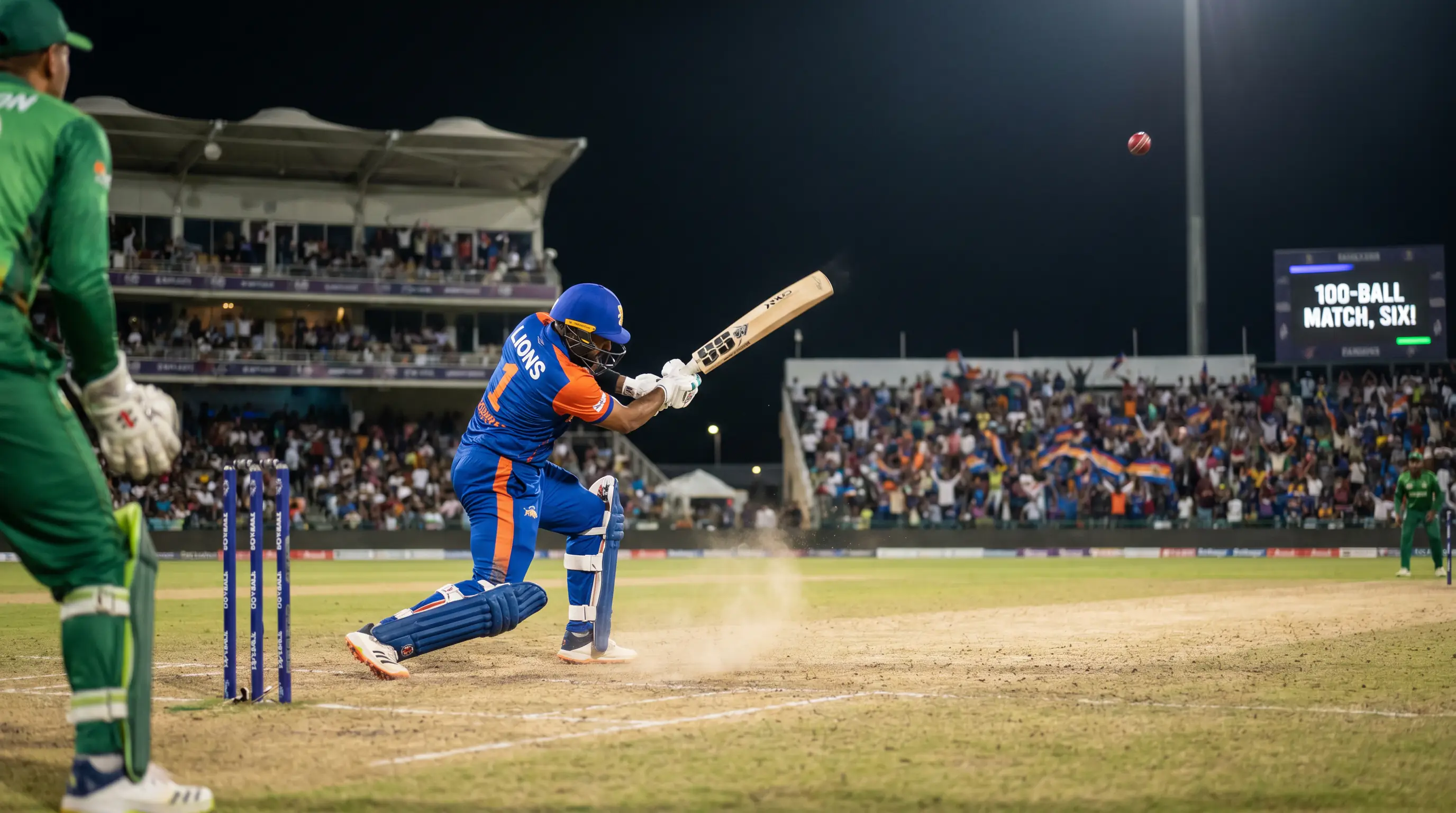
The ECB built The Hundred in 2021 specifically as a punchier, shorter answer to the franchise leagues, and that design choice ripples straight into the markets. Match-odds prices sit closer together than in longer formats, because the bookmaker knows a weaker side can win on the back of one player’s twenty-minute assault. Totals markets carry wide ranges relative to the small number of balls, because a flurry of boundaries swings a 100-ball score dramatically. And in-play prices lurch violently, since with so few deliveries left at any moment, each over represents a far larger chunk of the remaining game than it would in a Test or even a T20. The format that launched to bring new fans to cricket also created a betting environment where momentum is everything and stability is scarce.

What this means practically is that I demand more value from Hundred bets than from longer-format ones and size them more cautiously. Backing a favourite at a short price in a format this volatile is asking to be ambushed by variance, so I’d rather take a value-priced underdog with a genuine matchwinner in their ranks, or sit out the result market entirely and focus on the markets where the format’s chaos works for me rather than against me. The compression that makes The Hundred thrilling to watch makes it treacherous to bet carelessly.
The Markets Worth Backing in a 100-Ball Game
Because the result is so variance-driven, the smart money in The Hundred often drifts away from the match-winner market and toward the markets where individual skill shines through the chaos. The performance and phase markets reward analysis in a way the volatile result market resists, and that’s where I do most of my Hundred betting.
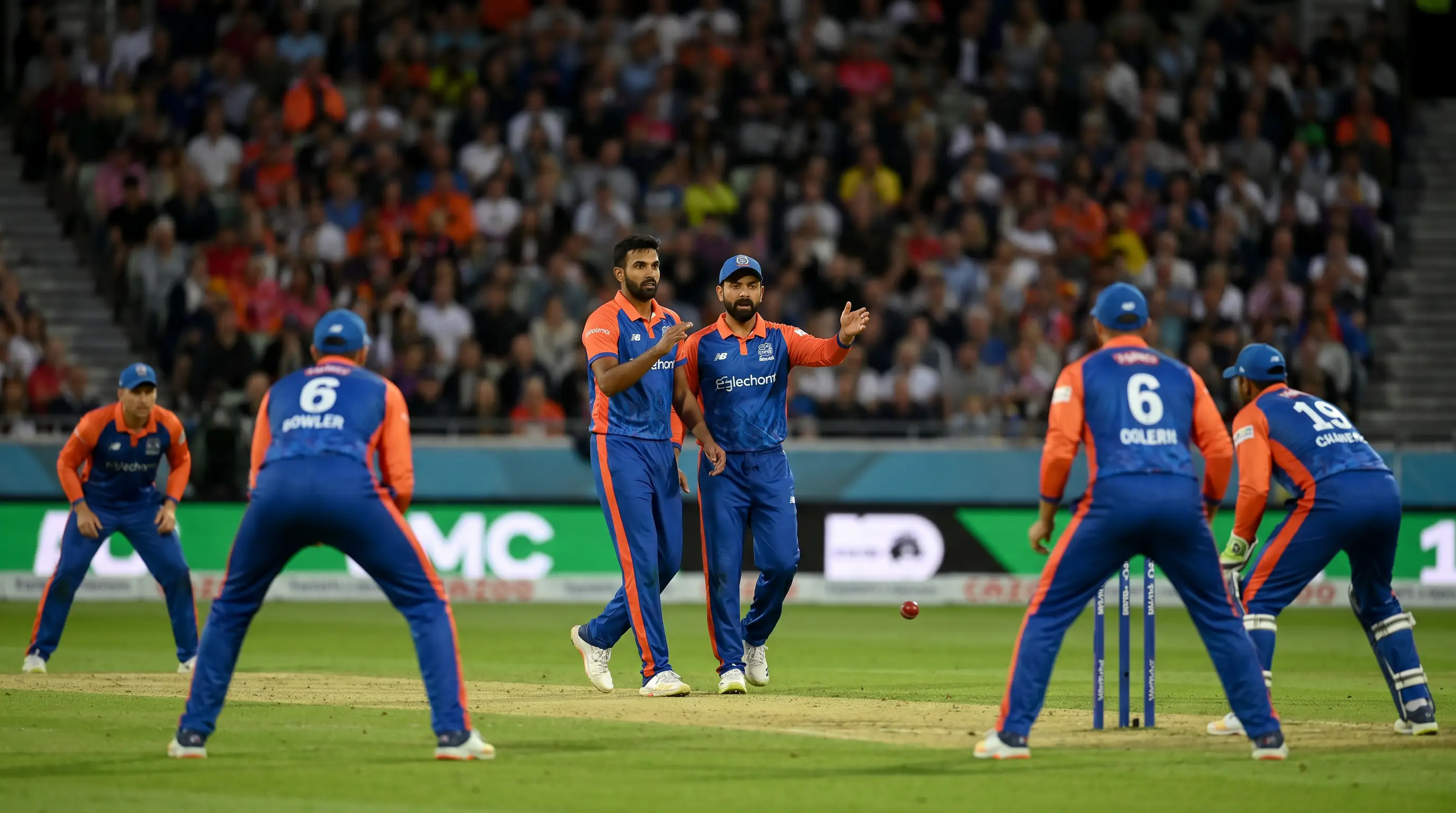
Top batsman is a particularly live market in this format, but it inverts the longer-format logic in a way that catches people out. In a Test, the opener’s time advantage makes them the obvious top-scorer pick; in a 100-ball innings, a destructive middle-order hitter can top-score off a handful of balls through sheer boundary-hitting, which compresses the field and makes lower-order power-hitters far more competitive than they’d ever be over five days. The format rewards intent over patience, so the player most likely to top-score is often the one most likely to take a calculated risk early, not the one most likely to bat through. Reading that correctly is a genuine edge, and the full logic of how batting position and format interact sits in my guide to top batsman betting.
The phase and over markets, runs in the opening ten balls, runs in a specified block, most sixes, also suit the format because they isolate the explosive passages that define a 100-ball game. These reward a punter who reads tempo and matchups rather than trying to predict a chaotic overall result. The cricket segment is forecast to be among the fastest-growing in the entire betting market, driven precisely by the popularity of short formats like The Hundred, which means these markets are deepening and the pricing is getting sharper, so the edge increasingly comes from genuine insight rather than from the operator pricing a novel format loosely.
Why the Mens and Womens Competitions Both Reward Attention
One of The Hundred’s genuine innovations is that the mens and womens competitions sit side by side as headline events, and that’s created a betting opportunity too few punters take seriously. The womens markets, in particular, reward the kind of dedicated analysis that the heavily-bet mens markets have already squeezed value out of.

The womens competition is a high-profile, well-attended part of The Hundred rather than an afterthought, and its markets are real and liquid. But they attract less of the saturating money that floods the mens game, which means the prices can be softer and more beatable for a punter willing to actually study the players, the matchups and the conditions rather than betting on reputation. The fast growth of cricket as a betting segment, fuelled by short formats, applies to both competitions, and the womens game is part of that expansion, so the depth and quality of these markets keeps improving even as the value remains more accessible than in the mens equivalent.
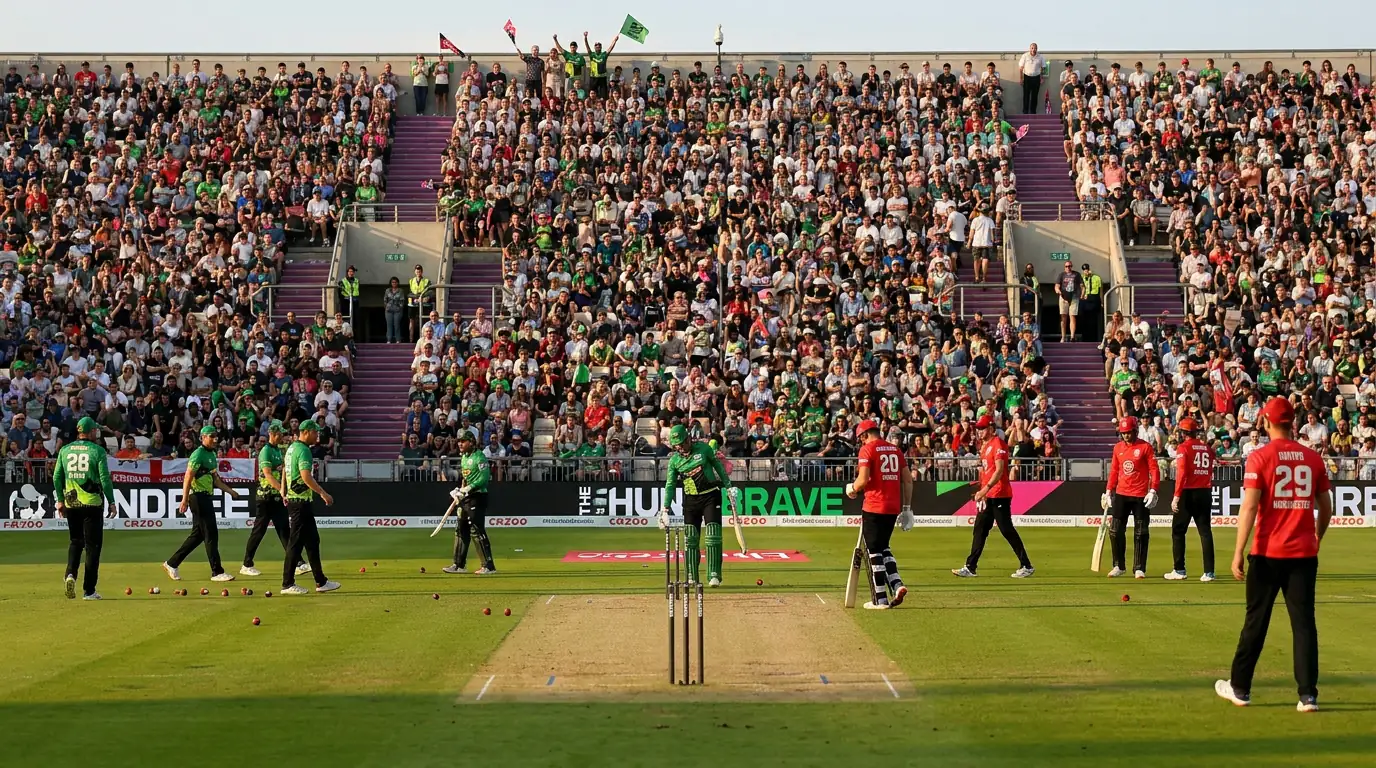
My honest experience is that the same analytical effort goes further in the womens Hundred than in the mens, simply because fewer sharp bettors are doing the work. The format’s variance applies equally, a 100-ball womens match is every bit as chaotic and momentum-driven as the mens version, so the same caution about the result market and the same preference for performance and phase markets carries across. But the relative softness of the prices rewards the diligent punter more generously. Treating the womens competition as a serious betting opportunity rather than a sideshow is one of the clearest edges The Hundred offers, and it’s there for anyone prepared to do the homework. Read both competitions with the same care, respect the format’s relentless variance, and lean toward the markets where individual skill cuts through the chaos, and The Hundred becomes one of the more rewarding formats to bet rather than one of the most treacherous.
How does 100-ball pacing affect runs lines?
The compressed format squeezes scoring into a frantic window, so totals carry wide ranges relative to the small number of balls and swing dramatically on a single flurry of boundaries. Always reset your sense of a high or low total to the 100-ball format, because importing a T20 or longer-format scale will mislead you.
Are womens Hundred markets worth betting?
Yes, and arguably more so than the mens equivalent. The womens competition is a genuine headline event with liquid markets, but it attracts less saturating money, so prices can be softer and more beatable for a punter willing to study the players and matchups properly rather than betting on reputation.
