
 Available in US
Content
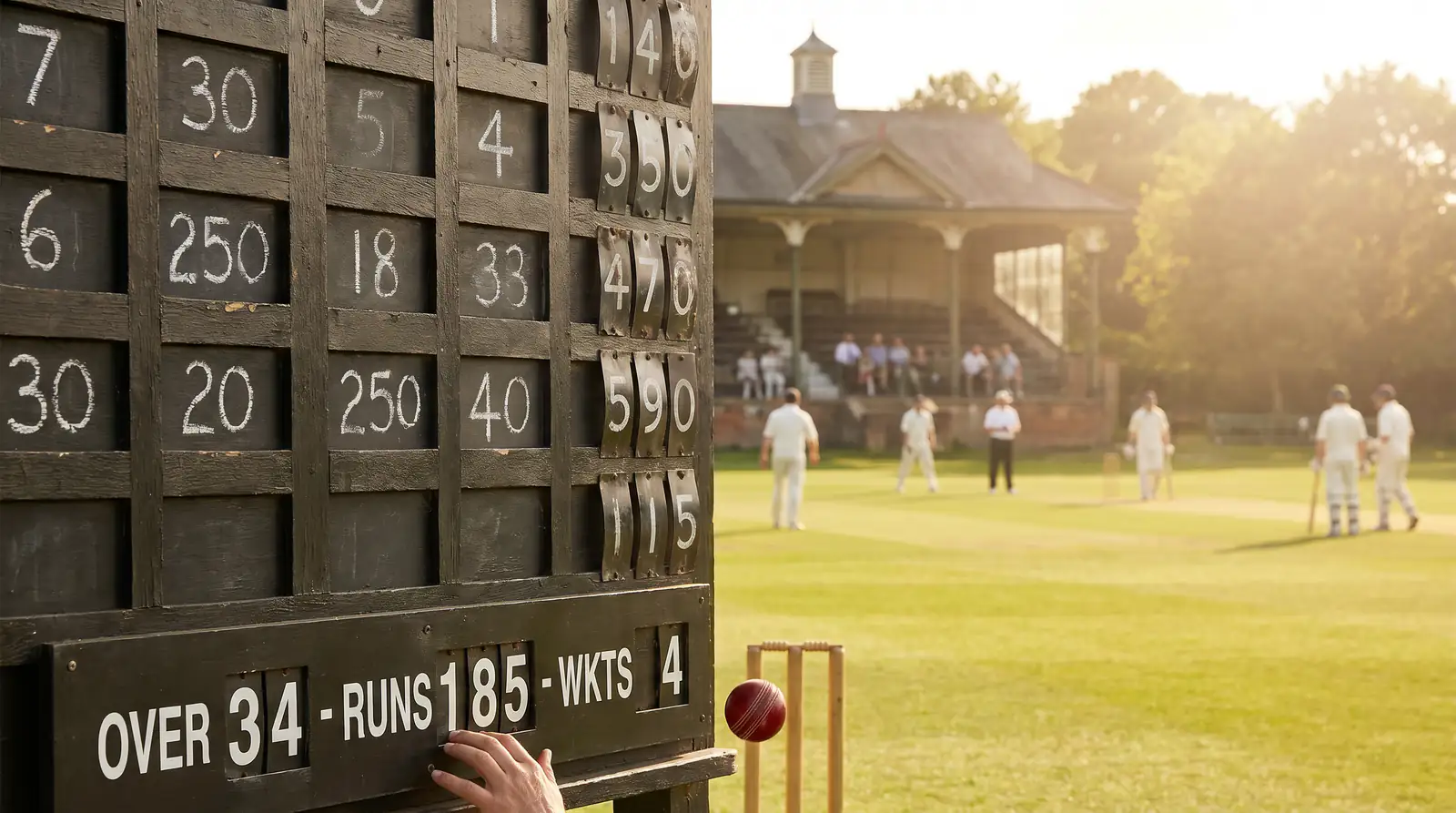
Session betting is the market that made cricket betting famous for all the wrong reasons. Long before most British punters had heard of it, the brackets and sessions trade was thriving in subcontinental markets, and it’s the corner of cricket betting where the integrity stories tend to come from. That history makes it fascinating, occasionally lucrative, and a market you should walk into with your eyes wide open rather than half shut.
A session bet, sometimes called a brackets bet, asks you to predict how many runs will be scored in a defined block of overs, betting over or under a line the bookmaker sets. Rather than waiting for a whole innings or a whole match, you’re carving the game into segments, the first ten overs of a one-day innings, a session of a Test, a powerplay, and betting on the run yield of just that slice. It rewards a granular, almost ball-by-ball feel for how a passage of play is likely to flow.
What a Session Market Actually Covers
The first time I bet a session, I was struck by how completely it detached me from the result. I had no stake in who won; I was watching a ten-over block, willing the run rate up or down, utterly indifferent to the match itself. That narrowing of focus is the whole character of session betting, and it suits a particular temperament: the person who’d rather read the rhythm of a passage of play than the arc of a game.

Mechanically, the bookmaker sets a runs line for a specific bracket of overs and prices over and under close to even money on each side, moving the line rather than the odds to balance the book. A line of 52.5 for a powerplay means you back the over if you expect 53 or more in those overs and the under if you expect 52 or fewer. The half-run prevents a tie, so there’s always a clean winner, and the bet settles the instant that bracket of overs is complete, which gives session betting a fast, segmented rhythm completely unlike a match-long wager.

What you’re really pricing is tempo. A session total depends on the state of the ball, the field restrictions in force, the batters at the crease, the bowlers operating, and the match situation, whether a side is attacking or consolidating. These are readable, current factors rather than long-range predictions, which is what makes session betting feel so immediate. You’re not forecasting a winner days out; you’re reading the next twenty minutes of cricket and pricing it against the bookmaker’s line.
Reading a Session While It Unfolds
Watching cricket changes completely once you’ve got money on a session, and not always for the better. I learned early that the danger of session betting is its pace: a fresh line appears every few overs, each one looks like an opportunity, and before you’ve noticed you’ve fired off a dozen small bets in an afternoon. The market’s structure actively encourages volume, and volume is the enemy of discipline.

The skill in reading a live session is anticipating the inflection points before the market fully prices them. Field restrictions ending, a new ball due, a set batter reaching a milestone and accelerating, a wicket bringing a cautious newcomer to the crease: these are the moments when run rate shifts, and the punter who reads them a beat ahead of the line catches value. The discipline cuts the other way too, because Gambling Survey for Great Britain data put four-week gambling participation at 27 per cent once lottery-only players are excluded, a reminder that this is a mass-market activity where the rapid, segmented markets like sessions are precisely the ones that pull people into betting more often than they intended.
My practical approach is to pick my spots and ignore the rest. Rather than betting every bracket the bookmaker offers, I wait for a session where I have a genuine read, a passage where I’m confident the tempo will diverge from the line, and I pass on the dozen others. The market wants you to bet constantly. The way to beat it, if it can be beaten at all, is to bet rarely and only when you’ve actually seen something the line hasn’t, the same discipline of waiting for a clear edge rather than betting the constant churn that all live wagering demands.
Sessions, Spot-Fixing and the Integrity Question
There’s no avoiding the uncomfortable part of this market, and I’d be doing you a disservice if I dressed it up. Session and brackets betting has a documented history as a target for corruption, because a single passage of play is far easier to manipulate than an entire match result. You don’t need to fix who wins; you only need a player to bowl a deliberately expensive over or block out a quiet one, and the session line tips your way.

The cricket world takes this seriously precisely because the threat is real. The ICC’s Anti-Corruption Unit has operated since 2000, and its updated global Anti-Corruption Code came into force on 1 June 2024, covering both international and domestic cricket, with session and spot manipulation squarely in its sights. The monitoring industry has grown alongside it: in 2025, integrity firms flagged 59 suspicious cricket matches, a notable rise on the previous year, and cricket’s susceptibility to micro-market manipulation is a large part of why. When you bet a session, you’re betting in the exact market that the integrity apparatus watches most closely.
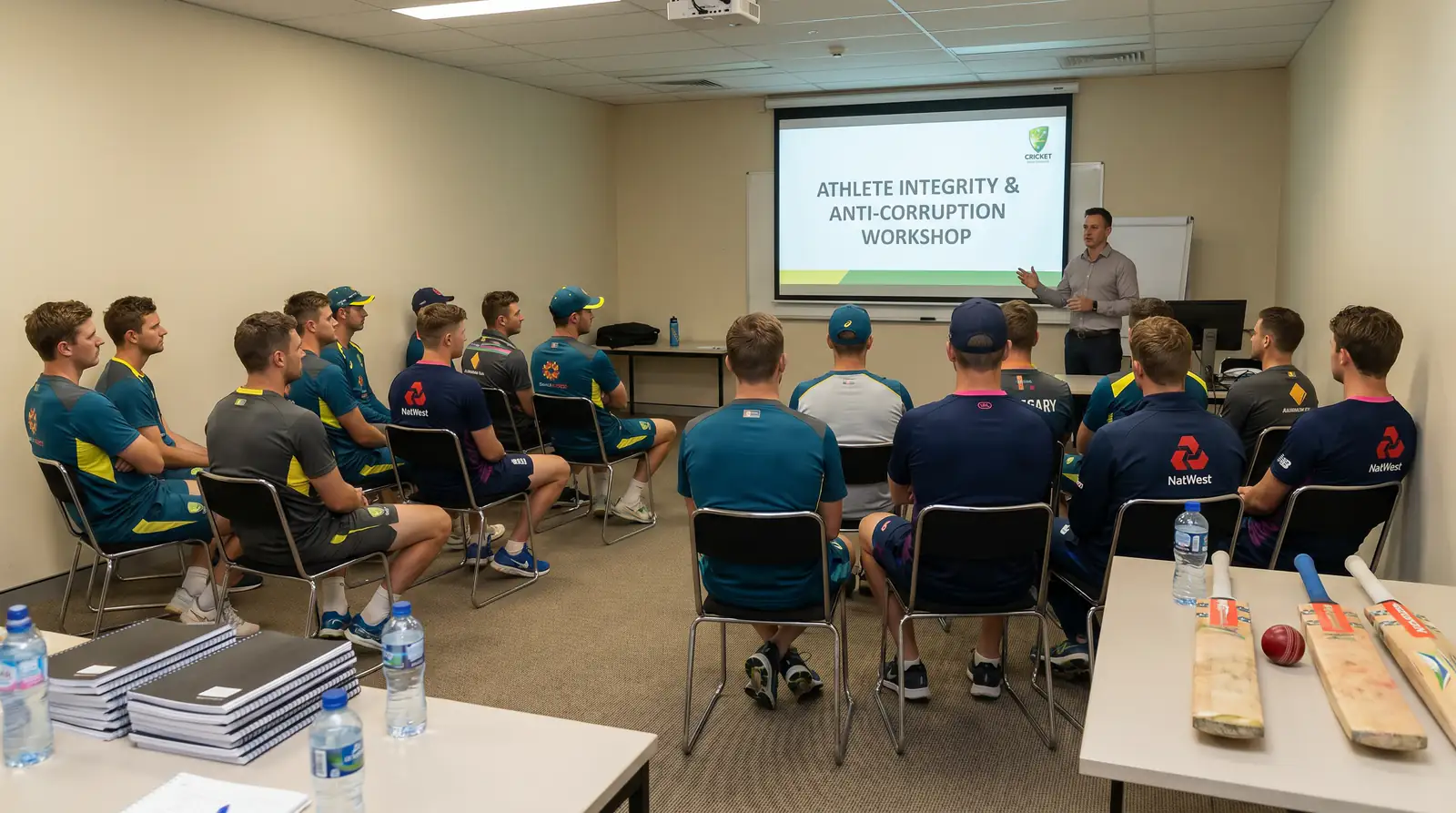
What does this mean for you as an honest punter? Practically, it means accepting that a small proportion of session outcomes may be influenced by factors that have nothing to do with cricket, which adds a layer of risk no amount of analysis can price out. It also means betting only with UKGC-licensed operators, who are bound into the integrity-reporting framework and who cooperate with the monitoring bodies, rather than chasing the fatter session lines on offer in unregulated markets where the protection simply doesn’t exist. The deeper story of how fixing targets these markets, how it’s detected, and what it means for the person placing a bet runs through my guide to cricket match-fixing and betting integrity, and I’d read it before you make sessions a regular part of your betting.
Session betting, then, is a genuine skill market for the patient, tempo-reading punter, but it’s also the most integrity-sensitive corner of the sport and the one most engineered to make you bet too often. Treat it as a precision instrument: pick the brackets where you’ve actually read something, stay with licensed operators inside the protective framework, and never let the relentless drip of fresh lines lure you into the volume betting the market is built to extract. Read that way, it’s a fascinating market. Read carelessly, it’s a fast way to give your money away.
Why are session markets a known spot-fixing target?
Because a single passage of play is far easier to manipulate than a whole match. A corrupt player only needs to bowl one deliberately expensive or quiet over to swing a session line, which is why integrity bodies watch these micro-markets most closely and why betting them carries a risk no analysis can fully price out.
How is a session settled if rain stops play?
It depends on the operator’s rules, which you should read before betting. If the defined block of overs is not completed because of rain or another stoppage, many books void the session bet and refund the stake, while others settle on the overs actually bowled. The terms vary, so never assume.
