
 Available in US
Content
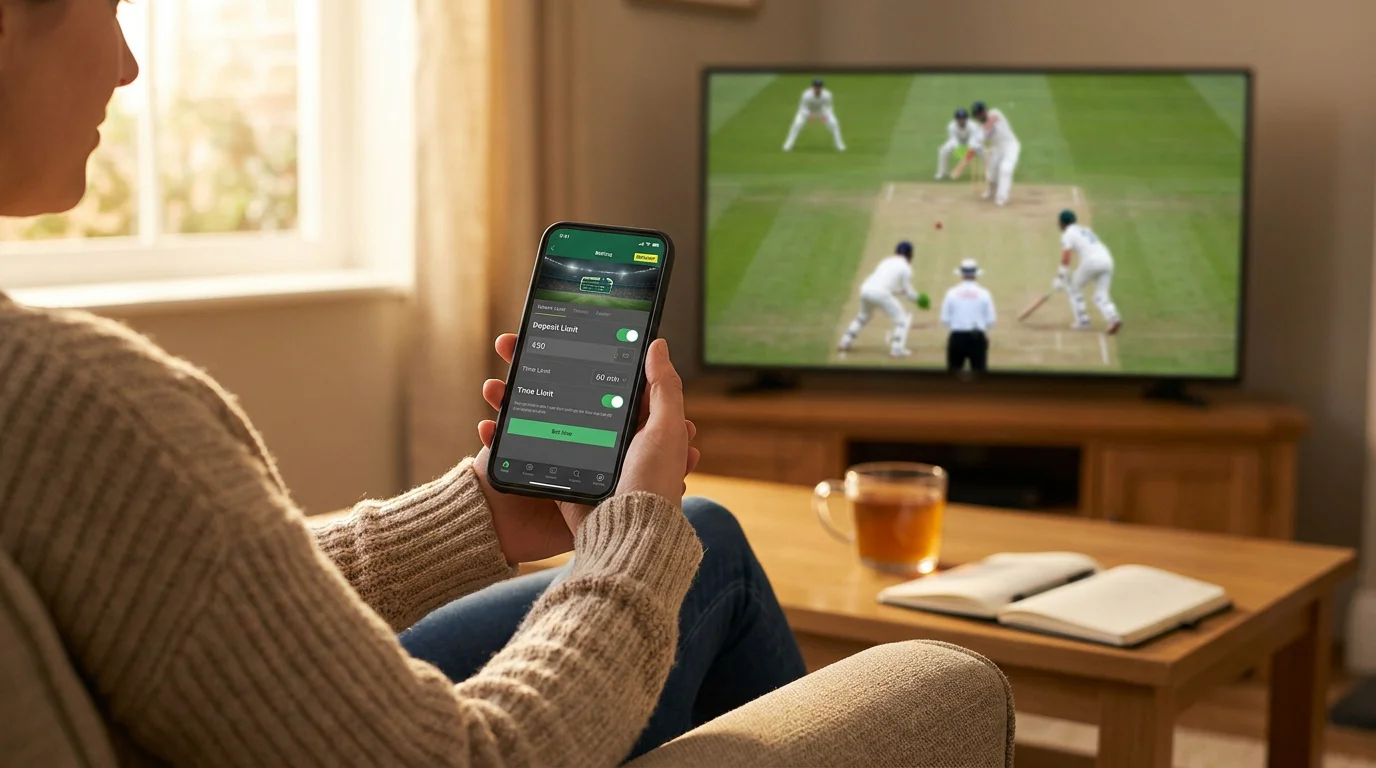
I’ve spent years writing about how to bet on cricket more cleverly, but the most important thing I can tell anyone is how to bet on it more safely, because the cleverest strategy in the world is worthless if the betting stops being something you control. Responsible gambling isn’t a disclaimer tacked onto the end of a guide; it’s the foundation that everything else stands on, and treating it as an afterthought is how a pastime turns into a problem.
Responsible gambling for cricket bettors means staying in control: setting limits before you need them, recognising the warning signs early, and knowing where to turn for help if betting stops being enjoyable. It’s about keeping cricket betting as a form of entertainment that fits inside your life rather than one that starts to reshape it, and the UK now has a genuinely robust framework of tools, funding and support designed to make that achievable.
Setting Limits and Using the Tools
The single best decision I ever made as a bettor was setting a deposit limit before I needed one, while I was calm and clear-headed rather than chasing a loss in the heat of a match. That’s the whole philosophy of responsible gambling in one move: build the guardrails in advance, when your judgement is good, so they’re there to catch you when it isn’t.

UK-licensed operators are required to offer a suite of control tools, and using them is a sign of a serious bettor, not a struggling one. Deposit limits cap how much you can put into your account over a day, week or month, and once set they can’t be increased on a whim, there’s a cooling-off period, which is precisely the friction that protects you in a moment of poor judgement. Loss limits, time-outs that lock you out for a defined break, and reality checks that interrupt long sessions all serve the same purpose: putting a deliberate gap between impulse and action. The most serious tool is self-exclusion, which blocks your access across operators for a chosen period, and there’s a national scheme that applies it across all licensed online operators at once for anyone who needs a complete break.

The framework behind these tools has been strengthened considerably by recent reform, and it’s worth knowing your protections are funded rather than voluntary. A statutory levy on operators came into force on 6 April 2025, with the money distributed so that 50 per cent goes to treatment, 30 per cent to prevention and 20 per cent to research, channelling industry money directly into the systems that keep people safe. This isn’t goodwill; it’s a legal obligation, and it underpins a support infrastructure that exists specifically for the moments when betting stops being fun. Setting limits and using the tools isn’t an admission of weakness. It’s how people who enjoy cricket betting for decades keep enjoying it.
Recognising the Signs Before They Take Hold
The hard truth about problem gambling is that it rarely announces itself. It creeps, one chased loss at a time, one “I’ll win it back” at a time, until the betting that used to be entertainment has become something that generates anxiety rather than enjoyment. Recognising the early signs, in yourself or someone close to you, is what allows you to act while acting is still easy.

The warning signs are concrete and worth naming plainly. Betting more than you can comfortably afford to lose; chasing losses with bigger stakes to recover them; betting to escape stress or low mood rather than for enjoyment; lying about or hiding the extent of your betting; feeling restless or irritable when you try to cut down; letting betting interfere with work, relationships or sleep. Any one of these is a signal to pause, and several together is a signal to seek support. The reform that brought in the statutory levy is expected to raise around 100 million pounds a year for research, prevention and treatment of gambling harm, with half of that directed to treatment under the NHS, which tells you both that the harm is taken seriously at a national level and that real, funded help exists for anyone who needs it.
The product matters too, and cricket bettors should know which corners carry the most risk. The fast, repetitive markets, the relentless in-play and session betting where a fresh price appears every few overs, are structurally the ones most likely to pull a person into betting more often than they intended, because they reward impulse and offer constant fresh opportunity. That’s the same dynamic that makes products like online slots so dangerous, and being conscious of it lets you bet the slower, more considered markets that fit a healthy approach rather than the churning ones that erode it. Self-awareness about which markets suit your temperament is itself a responsible-gambling skill.
Where to Get Help in the UK
If betting has stopped being fun, or you’re worried about someone who bets, the most important thing to know is that help exists, it’s free, and reaching for it is a strength. The UK has a well-developed support network, funded in part by the statutory levy, and you don’t have to be in crisis to use it.

The national support landscape includes confidential helplines, online resources and treatment services specifically for gambling harm, much of it now backed by NHS-affiliated treatment funded through the levy. GambleAware provides information and signposting to support, the National Gambling Helpline offers confidential advice, and a growing network of NHS gambling clinics provides specialist treatment for those who need it. These services are designed for everyone from the person who simply wants to set firmer boundaries to the person dealing with serious harm, and the earlier someone engages with them, the easier the path back to control tends to be. The tools on your betting account, the deposit limits and self-exclusion options, work alongside this external support, so the protective system runs from the moment you open an account through to dedicated clinical help if it’s ever needed.

Responsible gambling and good betting are not in tension; they’re the same discipline viewed from two angles. The bettor who sets limits, bets within their means, chooses considered markets over churning ones, and treats betting as entertainment rather than income is also, not coincidentally, the bettor most likely to come out ahead over time, because that calm, controlled temperament is exactly what value betting demands. It’s also the temperament that keeps the seductive, low-stake-big-dream products in their place, the accumulator above all, whose tiny outlay and giant advertised payout make it precisely the kind of bet that erodes discipline if it becomes a habit, as I’ve cautioned in my guide to cricket accumulator betting. Keep betting in its place, use the tools that exist to help you, and reach for support the moment you need it, and cricket betting stays what it should always be: an enjoyable layer on top of a sport you love, never a weight that sits beneath it.
This is a sensitive subject, and if any of it resonates with your own experience or someone else’s, support is available and there’s no threshold of severity you need to reach before it’s worth using.
How do deposit limits and self-exclusion work?
Deposit limits cap how much you can pay into your account over a set period, and once set they can’t be raised instantly, there’s a cooling-off delay that protects you in the moment. Self-exclusion blocks your access for a chosen period, and a national scheme can apply it across all licensed online operators at once for a complete break.
Does the statutory levy fund NHS treatment?
Yes. The statutory levy that came into force in April 2025 directs 50 per cent of the money it raises to treatment, and is expected to generate around 100 million pounds a year for research, prevention and treatment of gambling harm, with half of that going to treatment under the NHS. It’s a legal obligation on operators, not voluntary funding.
