
 Available in US
Content

Look at almost any cricket broadcast and the betting industry is everywhere, on the shirts, around the boundary, between the overs, woven so thoroughly into the modern game that it’s easy to stop seeing it. That saturation isn’t accidental, and it isn’t small. Cricket and the betting industry have become deeply, commercially entangled, and understanding the scale of that relationship, and the debate it has provoked, tells you a great deal about the sport you’re betting on and the forces shaping it.
Cricket betting sponsorship is the web of commercial deals through which gambling companies attach their brands to cricket teams, tournaments and players, and it has grown into one of the defining features of the sport’s economy. The scale is genuinely striking, the targeting is more deliberate than it appears, and the advertising it produces sits at the centre of a live regulatory debate about gambling’s place in sport. For a bettor, it’s worth seeing clearly, because this is the commercial machinery that surrounds and promotes the very markets you’re betting.
The research into where these deals are actually aimed produces a surprising finding. As one study of cricket’s sponsorship boom put it, “most of these Caribbean deals are not aimed at local bettors, but those watching the matches in the Indian subcontinent.” The geography of the money, in other words, doesn’t always match the geography of the cricket, and that mismatch is a clue to how strategically the betting industry uses the sport to reach the audiences it wants.
The Scale of Betting Deals in Cricket
The numbers behind cricket’s betting sponsorship are larger than most fans realise, and they’ve accelerated rather than plateaued. This isn’t a handful of shirt deals; it’s a systematic, growing colonisation of the sport’s commercial space by the gambling industry, and the data makes the trend unmistakable.
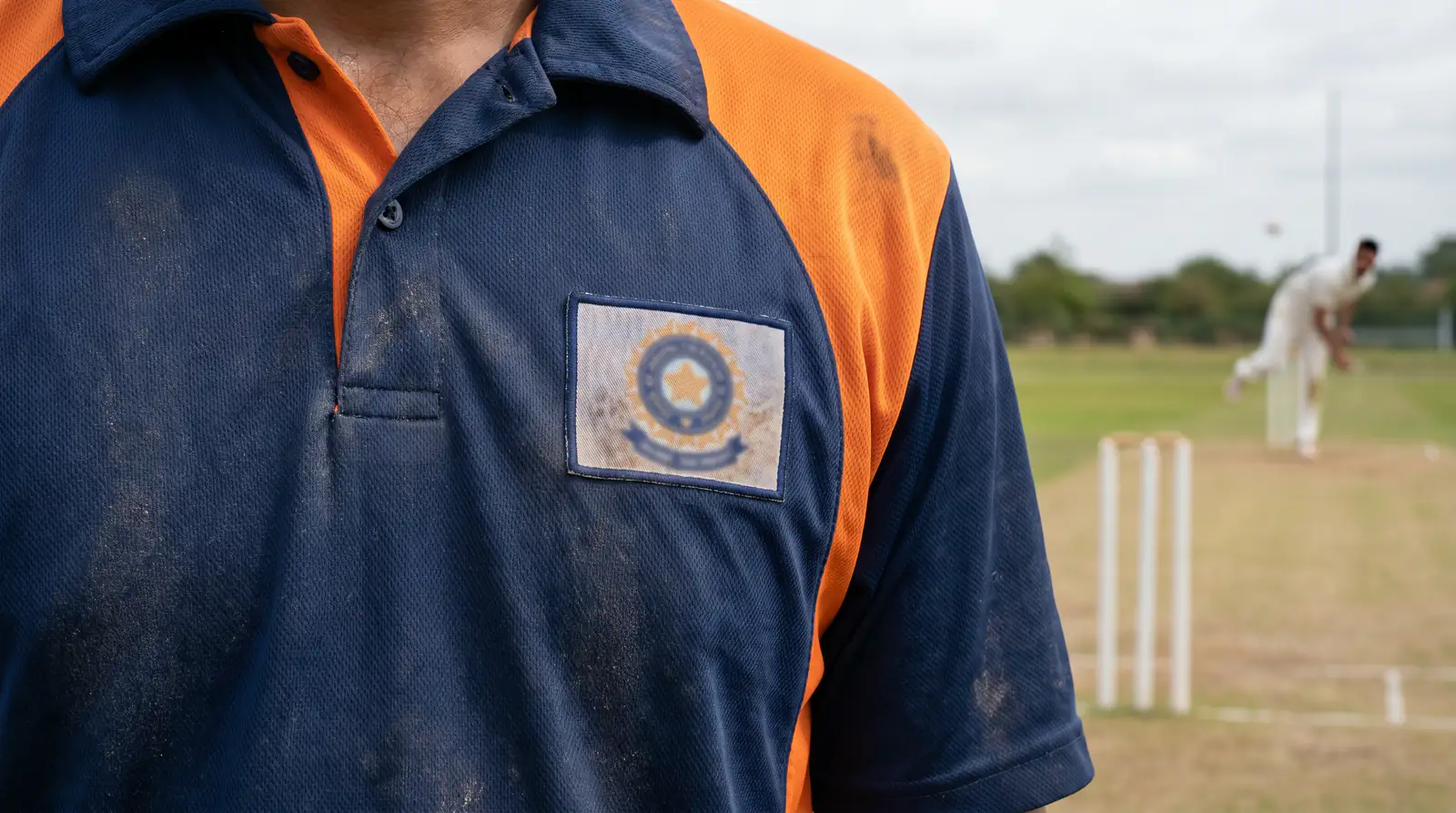
Between 2020 and the end of August 2025, at least 165 sponsorship agreements were struck between betting companies and leading cricket teams, tournaments or players, with 31 of those signed in the first eight months of 2025 alone. That pace, dozens of new deals in a single partial year, tells you the relationship is intensifying, not winding down, even as gambling advertising faces growing scrutiny elsewhere. The post-pandemic period in particular saw a flood of these arrangements, as betting companies recognised cricket’s vast global audience as prime territory for brand-building, and the sport’s administrators, hungry for revenue, proved willing partners. The result is a game in which the betting industry is not a peripheral advertiser but a central financial pillar.
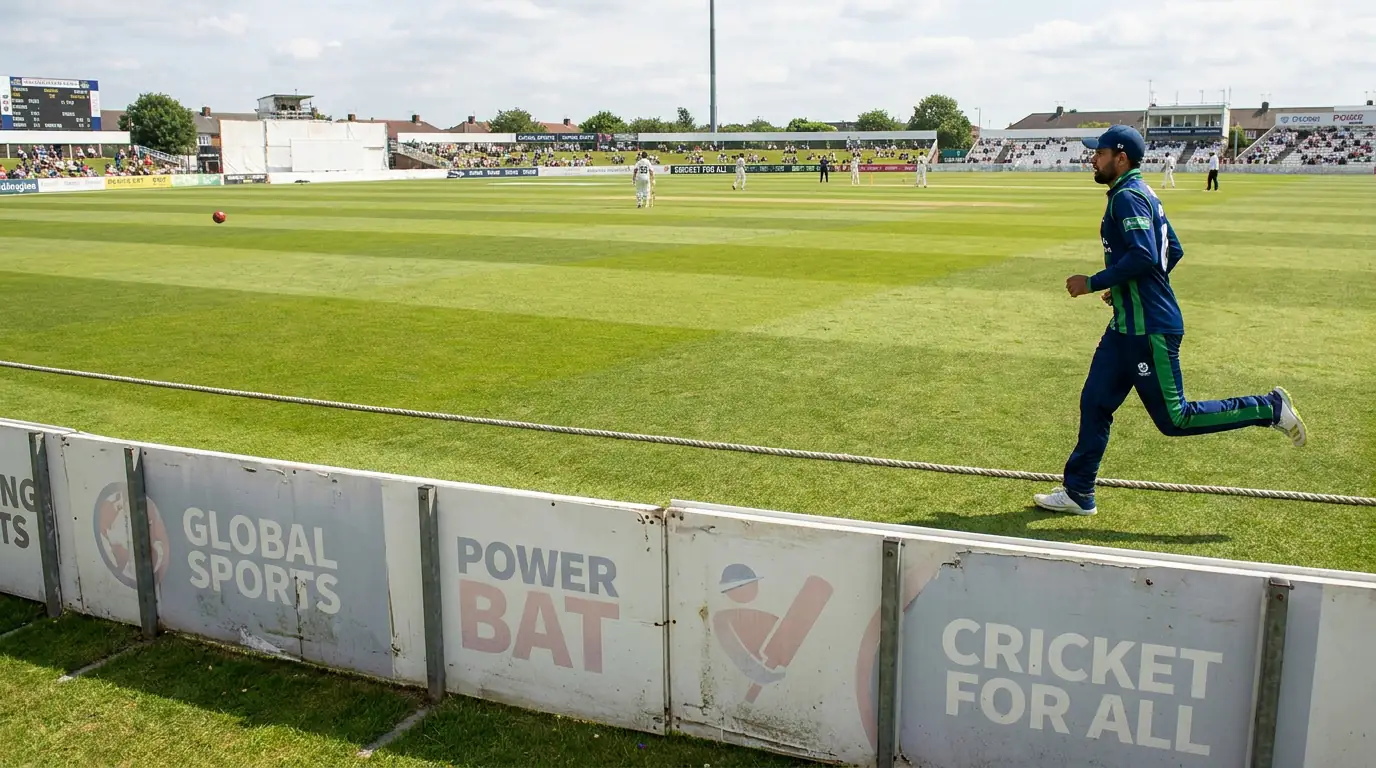
This commercial entanglement shapes the betting environment directly. The money that flows from these deals funds the deepening and promotion of cricket betting markets, which is part of why those markets have proliferated and why the cricket segment is among the fastest-growing in the wider betting industry. The sponsorship and the betting markets feed each other: the deals raise the sport’s profile as a betting product, which draws more money into the markets, which makes the sport more attractive to sponsors still. A bettor operating in this environment is, whether they think about it or not, betting inside a system the gambling industry has deliberately and expensively built around the sport.
Who the Deals Are Really Aimed At
The most revealing thing about cricket’s betting sponsorship is that the audience it targets often isn’t the one in the stadium. The deals are placed with a sophisticated understanding of cricket’s global viewership, and the logic frequently has little to do with the local market where a match is played, which is a detail that reshapes how you should read the whole phenomenon.

The research finding bears repeating because it’s so illuminating: many of the Caribbean sponsorship deals, for instance, were aimed not at local Caribbean bettors but at the enormous audience watching in the Indian subcontinent, where cricket’s following and betting interest are vast. The betting companies are using the global reach of televised cricket to put their brands in front of specific, distant, lucrative audiences, treating a match as a billboard beamed to wherever the most valuable potential customers happen to be. This is brand-building at a transnational scale, and it explains why the geography of the deals can seem so disconnected from the geography of the cricket: the sponsor cares about who’s watching, not where the game is.

For a UK bettor, this matters as context about the scale and sophistication of the industry whose markets you’re using. The betting brands attached to cricket aren’t local outfits chasing local custom; they’re often large operators executing global marketing strategies, and the same concentration that sees a handful of firms dominate British betting plays out internationally too. Understanding that the sponsorship is strategic, targeted and global rather than incidental helps you see the betting industry around cricket for what it is: a deliberate, well-resourced presence that has made the sport a key channel to audiences worldwide, and one whose commercial interests don’t necessarily align with the bettor’s.
Advertising Rules and the Debate Over Gambling in Cricket
The saturation of cricket with betting branding hasn’t gone unchallenged, and a serious debate is underway about how much gambling advertising the sport should carry. This isn’t a fringe concern; it sits within a broader regulatory reckoning with gambling’s place in British life, and the direction of travel is toward tighter constraints.

The wider regulatory pressure is real and financial as well as reputational. The remote gaming duty in the UK is rising to 40 per cent from April 2026, a significant increase that signals a government willing to lean harder on the gambling industry, and the broader reform agenda, the statutory levy, the stake limits, the strengthened consumer protections, reflects a political mood that has grown markedly more sceptical of gambling’s footprint. Sports sponsorship by betting companies is squarely within that debate, with critics arguing that the omnipresence of gambling branding in cricket normalises betting, particularly for young and vulnerable audiences, and exerts pressure to act in a sport watched by children and families. The defenders point to the revenue these deals bring to a sport that depends on it, and the genuine tension between funding and protection has no easy resolution.
Where this lands will shape the cricket-betting relationship for years, and a bettor is well served by understanding the debate rather than ignoring it. The same forces driving the regulatory reckoning, the rising duty, the levy, the stake limits, are reshaping the entire UK betting landscape, and the sponsorship question is one visible front in that larger contest between an industry that has woven itself into the national game and a regulatory framework increasingly determined to set limits on it. The deeper structure of that betting market, its size, its concentration, the GGY it generates, is the economic backdrop against which the sponsorship boom and the regulatory pushback both make sense, and I’ve laid it out in my guide to the UK cricket betting market size. Seeing the sponsorship clearly, its scale, its targeting, and the debate closing in around it, is the final piece of understanding the commercial world that surrounds every cricket bet you place.
How many betting sponsorship deals has cricket signed since 2020?
At least 165 sponsorship agreements were struck between betting companies and leading cricket teams, tournaments or players between 2020 and the end of August 2025, with 31 of those signed in the first eight months of 2025 alone. The pace shows the relationship intensifying rather than slowing, even amid growing scrutiny of gambling advertising.
Are these deals aimed at UK viewers?
Not always. Research into cricket’s sponsorship boom found that many deals target the sport’s vast global television audience rather than local bettors, with some Caribbean deals aimed at viewers in the Indian subcontinent. Betting companies use cricket’s worldwide reach to put their brands in front of specific lucrative audiences, wherever those audiences happen to be.
