
 Available in US
Content
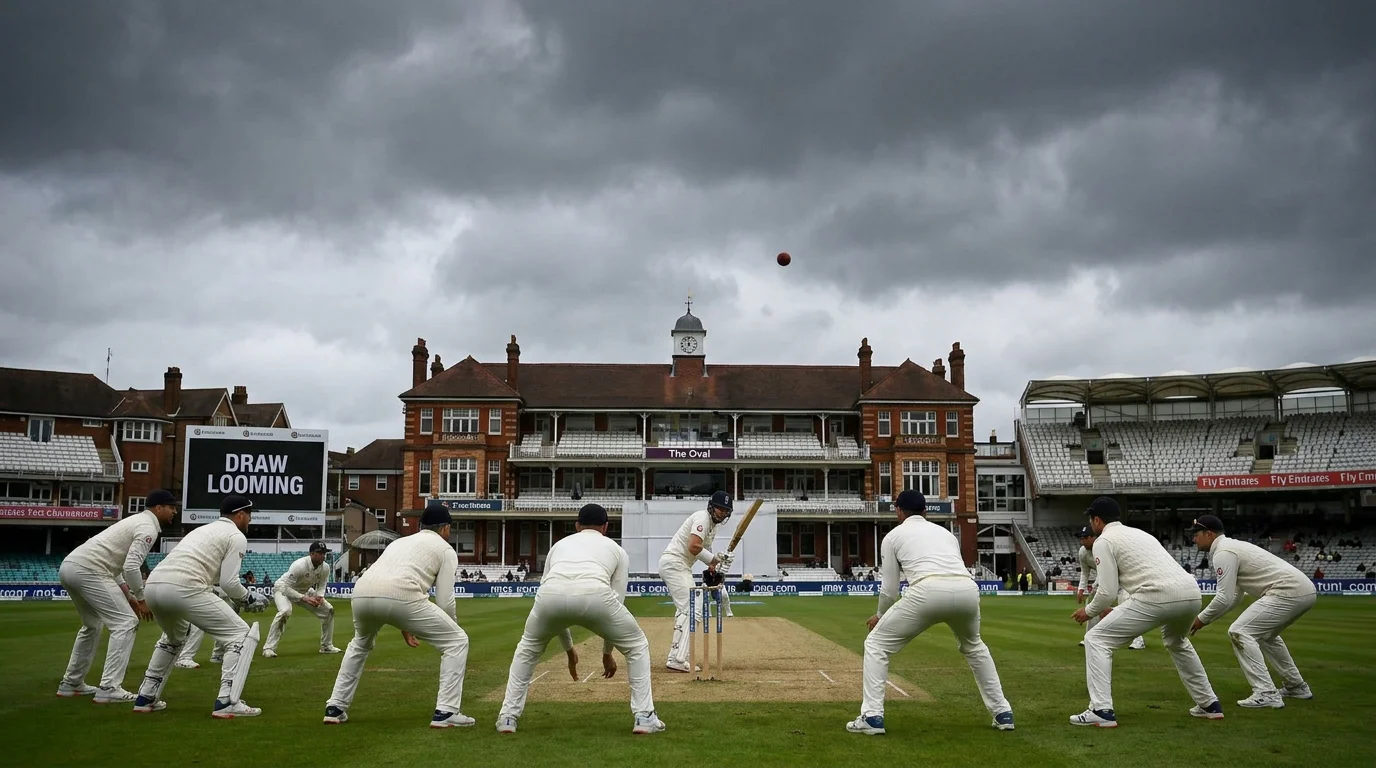
Test cricket invented a problem that Test cricket then had to solve. The draw, that peculiarly cricketing outcome where five days of effort end with no winner, ruins more good predictions than bad luck ever could. Draw no bet is the market built specifically to make the draw disappear, and for anyone who bets on the longer formats, it’s one of the most useful tools in the box once you understand precisely what you’re paying for it.
Draw no bet, almost always shortened to DNB, removes the draw from the equation entirely. You back a team to win; if they win, you collect; if the match is drawn, your stake is simply refunded. The only way you actually lose is if the other side wins. It converts a nervy three-way Test bet into a two-way coin you can’t lose to the weather, and that single change of structure transforms how you can approach matches where the draw looms large.
How DNB Quietly Removes the Draw
The cleanest way to feel what DNB does is to remember the bet it saves you from. I once backed a side to win a Test, watched them dominate, and lost the lot to a rain-ruined final day. Had I taken the same view through the draw-no-bet market, I’d have got every penny of my stake back. The result would have been the same, the weather would have been the same, but the financial outcome would have been break-even instead of a write-off. That’s the entire pitch for DNB in one anecdote.
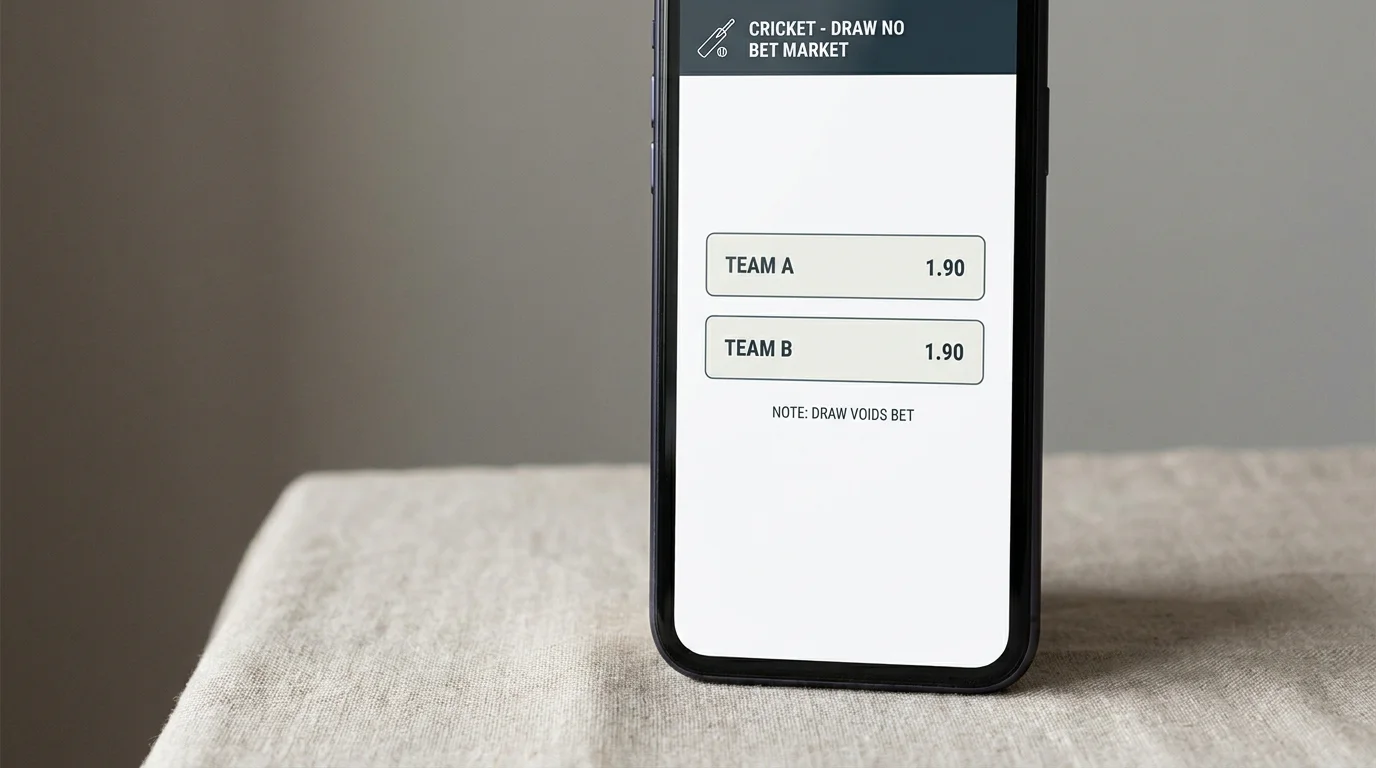
Mechanically, the bookmaker treats the draw as if you never bet at all. Three outcomes become two for settlement purposes: your team wins and you’re paid, or the opposition wins and you lose, with the draw triggering a full refund of your stake. You’re insulating yourself against the one outcome in cricket that’s genuinely unique, because no other mainstream sport hands you a scenario where a thoroughly dominant performance can still return nothing.
The catch, and there’s always a catch, is the price. Because the bookmaker is carrying the cost of refunding you on every draw, DNB odds are noticeably shorter than the equivalent straight match-winner price. You’re buying insurance, and insurance has a premium. A team you might back at a generous price to win outright will be a meaner price on DNB, and that gap is precisely the value of the draw protection. Whether that premium is worth paying is the whole strategic question, and it hinges entirely on how likely a draw actually is.
DNB Against the Full Three-Way Result Market
Most punters who discover DNB swing too far and start using it on everything, which is as wasteful as never using it at all. The right choice between DNB and the standard three-way result market depends on a single judgement: how real is the draw threat in this specific match. Get that read right and you’ll know which market to use without thinking.
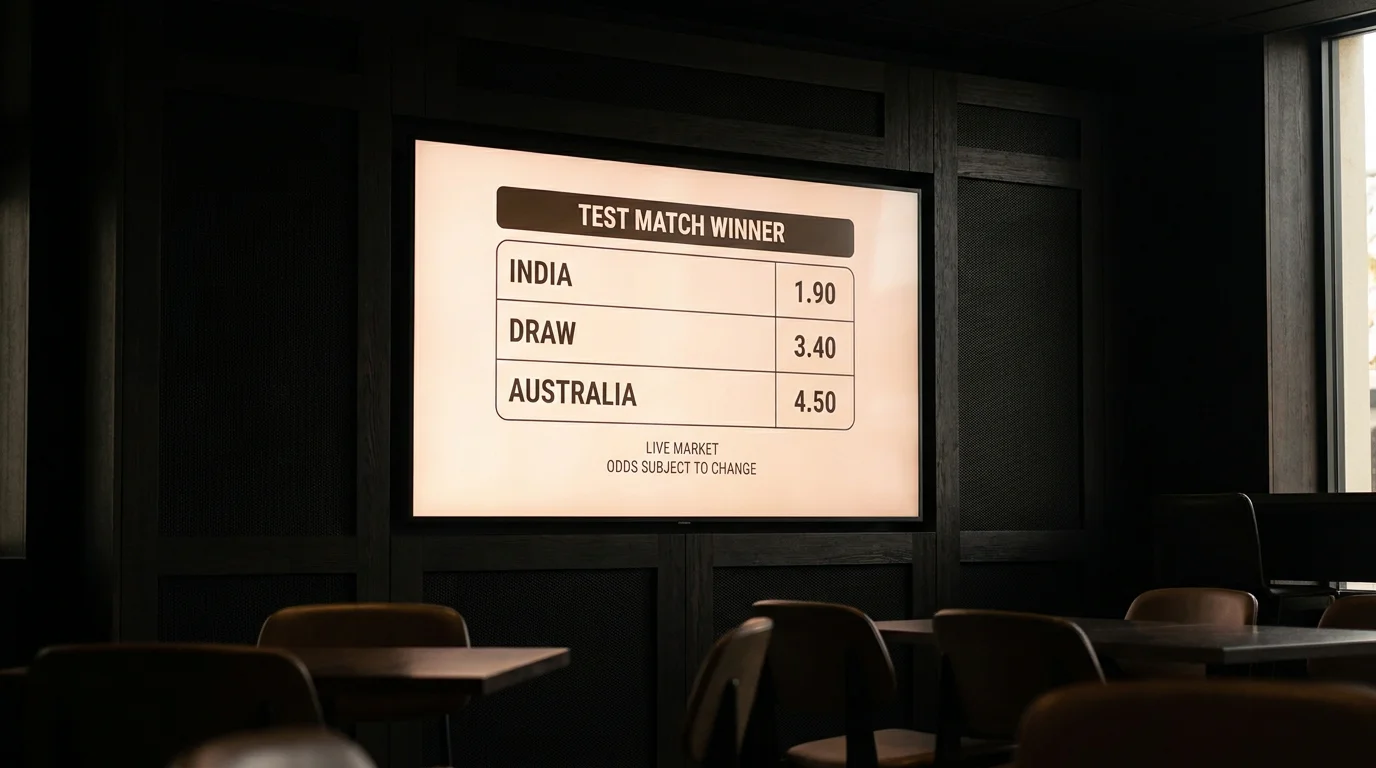
The standard three-way Test market prices home win, away win and draw separately, and backing a team to win outright there gives you the full, longer price but exposes you completely to the draw. It’s the right choice when the draw is genuinely unlikely, on a deteriorating pitch under settled weather where the game is almost certain to produce a result, because there’s no point paying the DNB premium to insure against something that probably won’t happen. In those conditions I take the bigger outright price and accept the small residual draw risk.
DNB earns its premium when the draw is a live threat, and that’s more often than newcomers think. The UK gambling sector turned over 4.5 billion pounds in gross gambling yield in the final quarter of 2025, 3.3 billion of that excluding lotteries, and a chunk of that yield comes from punters losing match-winner bets to outcomes they didn’t price properly, the draw chief among them in Test cricket. A flat surface, a rain-threatened forecast, a side batting first with limited time to force a result: in those conditions the draw might be a 30 or 40 per cent chance, and paying a shorter DNB price to wipe that risk out is simply sound bet construction. The deeper logic of when a draw should worry you comes down to weighing team quality against the time and conditions available to force a result, and it’s the single most important read in any Test bet.
My rule of thumb after years of this: if I’d hesitate to back the team on the straight market because of the draw, that hesitation is the market telling me to take DNB. If the draw never crosses my mind, I take the outright price and pocket the difference. The premium is only worth paying when you’re actually buying protection against something real.
Knowing When the Protection Is Worth Buying
The skill with DNB isn’t understanding the mechanics, which take thirty seconds to grasp; it’s calibrating when the insurance is priced fairly. Buy it too often and the premiums erode your edge; never buy it and the draw periodically empties your account. The sweet spot is buying it precisely when the draw is more likely than the shortened price implies.
Format is the first filter, and it’s almost binary. DNB is overwhelmingly a Test and first-class market, because limited-overs cricket nearly always produces a winner, which makes the draw protection close to worthless there. Paying a DNB premium on a one-day international is usually just handing the bookmaker margin for insuring against an outcome that barely exists. In the four and five-day formats, where a draw is a constant possibility, DNB comes into its own, and that’s where I confine almost all my use of it.
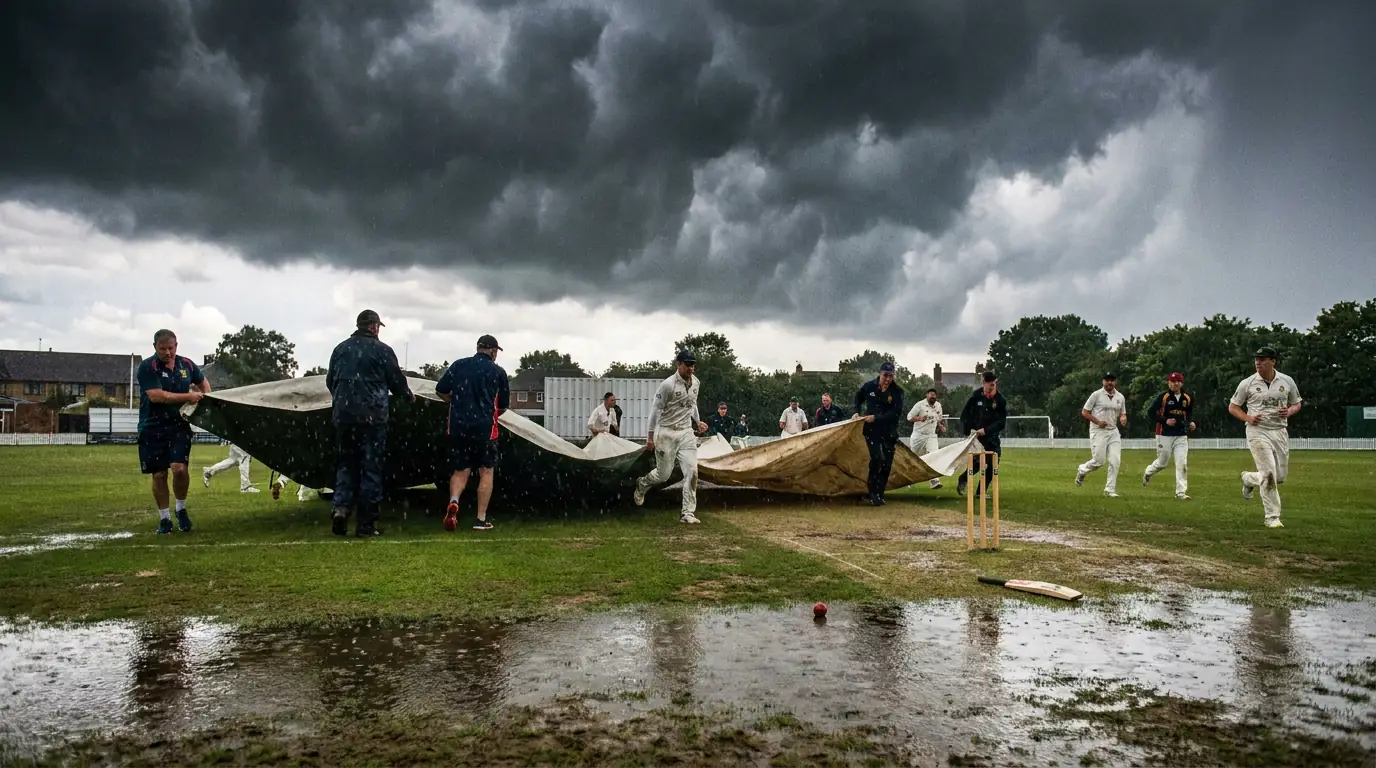
Within the longer formats, weather and pitch do the calibration for you. When the forecast is clear and the surface is breaking up, the draw shrinks and the DNB premium starts to look like wasted money. When showers are forecast and the pitch is a road, the draw inflates and the DNB price suddenly looks cheap relative to the real risk. I’m effectively pricing the draw myself and asking whether the bookmaker’s DNB premium over-charges or under-charges for it, and the times it under-charges, when the market hasn’t fully respected a rain risk, are exactly when DNB becomes genuinely profitable rather than merely safe.
Treat draw no bet, then, not as a comfort blanket to throw over every Test bet, but as a precise instrument for the specific occasions when the draw is a real and underpriced threat. Used that way, it’s one of the most intelligent ways to bet the longer formats, letting you back your read on which team is better without surrendering it to the one cricketing outcome that can make being right count for nothing. There’s a related market for when you want to back an outsider with a safety net of a different kind, and the place to explore that splitting of risk is my guide to each-way betting in cricket.
Do you get your full stake back on a drawn Test with DNB?
Yes. The whole point of draw no bet is that a drawn match voids the bet and returns your entire stake. You only lose if the opposing team wins outright, and you win at the quoted price if your team wins, so the draw becomes a neutral, break-even outcome.
Is DNB available in limited-overs cricket?
It’s sometimes offered but rarely worth taking. One-day and T20 matches almost always produce a winner, so the draw protection insures against an outcome that barely exists. You’d be paying a shorter price for cover you don’t need, which simply hands the bookmaker extra margin.
